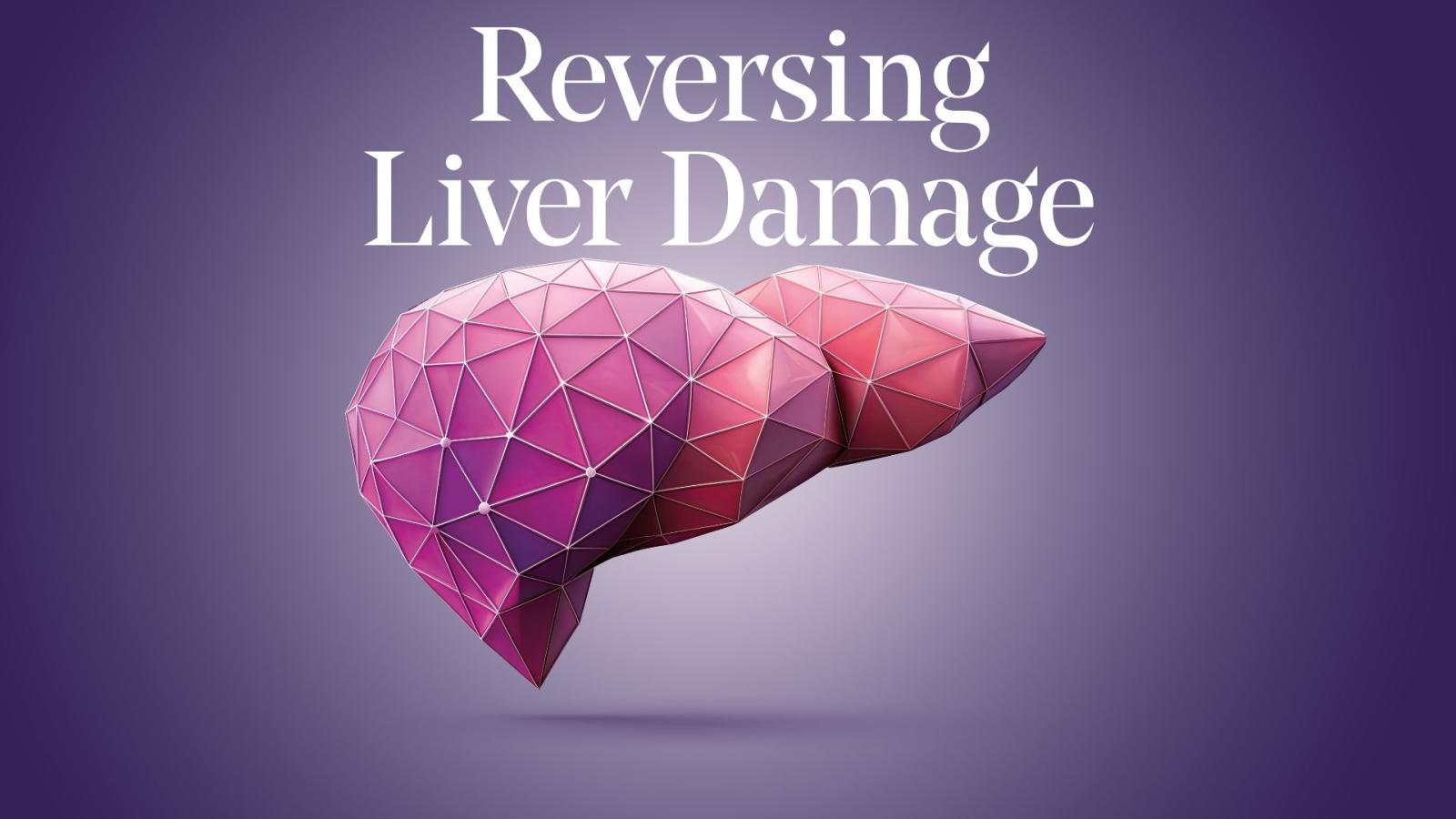
Reversing Liver Damage
Editor’s Note: This feature was originally published in the summer 2025 print edition of NEXT. To view a PDF of the full issue, visit our publications page.
By A.J. Hostetler, VCU Stravitz-Sanyal Institute for Liver Disease and Metabolic Health
The lifesaving answer for tens of millions of people around the world who suffer from liver disease may have been hiding in plain sight for years.
In 2017, the U.S. Food and Drug Administration approved semaglutide — the main ingredient in drugs like Wegovy and Ozempic — to treat type 2 diabetes, reduce the risk of major cardiovascular events and manage weight in adults with obesity.
The treatment’s success, especially as a weight loss tool, has fueled an explosion in media coverage and popularity over the past eight years, and some have even hailed it as a miracle drug.
Now, researchers at VCU have discovered a possible new use: The drug may stop a common liver disease in its tracks — and amazingly, it might even reverse it.
The findings from a Phase 3 clinical trial were published this year in the New England Journal of Medicine and provide the most comprehensive data yet on semaglutide’s effectiveness in targeting the liver disease known as metabolic dysfunction-associated steatohepatitis (MASH).
The results from this landmark study across 37 countries provide strong evidence that semaglutide can help patients with MASH by not only improving liver health, but also addressing the underlying metabolic issues that contribute to the disease.
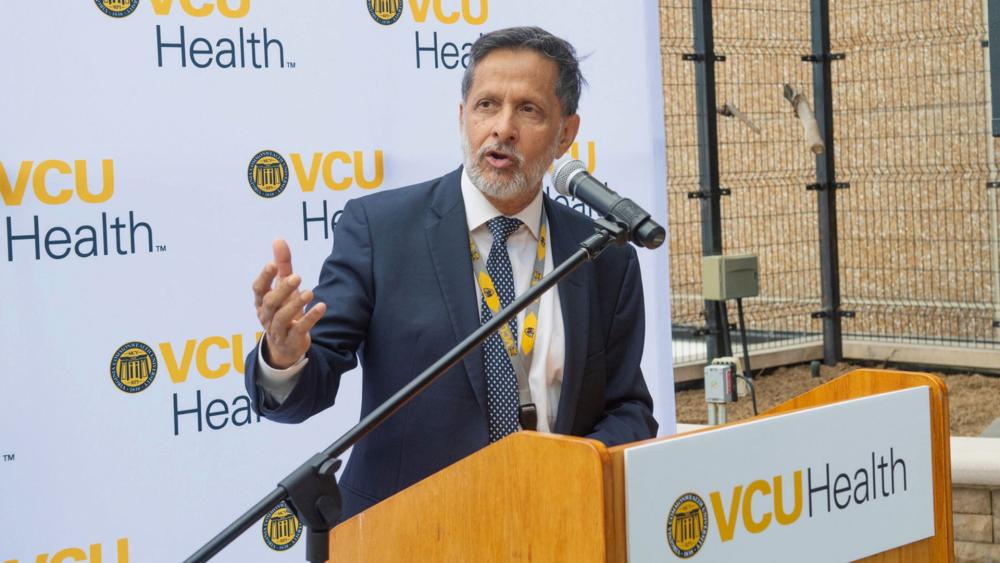
Arun Sanyal, M.D., chief of the Division of Gastroenterology, Hepatology and Nutrition and director of the VCU Stravitz-Sanyal Institute for Liver Disease and Metabolic Health
MASH affects around 15 million Americans, and currently there is only one FDA-approved treatment available, increasing the urgency for effective therapeutic options. Phase 3 clinical trials are an important step to prove a drug’s efficacy and safety before the FDA grants regulatory approval to new treatments or uses of existing medications, and the company that makes semaglutide now plans to seek approval this year following these recent studies.
“This is very exciting for people like me, who have spent 20 to 30 years taking care of patients with this condition,” said Arun Sanyal, M.D., director of the VCU Stravitz-Sanyal Institute for Liver Disease and Metabolic Health. “It’s incredibly gratifying to see the results and to be able to have something, hopefully down the road, that we will be able to offer to all our patients who need it.”
“The results from this landmark study across 37 countries provide strong evidence that semaglutide can help patients with MASH by not only improving liver health, but also addressing the underlying metabolic issues that contribute to the disease,” said Dr. Sanyal, the lead author on the new paper and chief of the Division of Gastroenterology at the VCU School of Medicine. “Once approved, this could offer an additional therapeutic option for patients with MASH and fibrosis. This is crucial, given the strong link between MASH and cardiovascular, metabolic and renal conditions where semaglutide has already shown established health benefits.”
MASH is closely linked to metabolic risk factors like obesity, type 2 diabetes and high blood pressure. Over time, MASH can lead to liver fibrosis, cirrhosis and even liver failure that requires a liver transplant, making it a major public health concern.
Of the 800 participants in the “Effect of Semaglutide in Subjects with Non-cirrhotic Nonalcoholic Steatohepatitis” (ESSENCE) trial, 534 were assigned to take semaglutide and 266 were in a placebo group. The results were promising:
About 63% of semaglutide users experienced a reduction in liver inflammation without worsening scarring, compared to only 34% of the placebo group.
Almost 37% of those on semaglutide showed less liver scarring, compared to nearly 23% in the placebo group.
About a third of semaglutide users achieved both inflammation reduction and scarring improvement, more than double compared to those taking the placebo.
The drug also helped participants with weight loss, improved liver markers and boosted overall heart health — with no major differences in serious side effects compared to those not taking it.
The ultimate goal for researchers in the ESSENCE trial was to find the right balance of semaglutide to resolve the damage caused by fat buildup in the liver (steatohepatitis) while at the same time to reduce scarring (fibrosis). Both are crucial for improving liver health in patients with MASH.
By treating both liver disease and its metabolic causes, semaglutide offers a promising new approach for millions of patients.
Arun Sanyal, M.D.
Semaglutide belongs to a class of drugs known as GLP-1 receptor agonists as they resemble a hormone called glucagon-like peptide 1, which stimulates insulin production, helps to lower blood sugar levels and, due to those metabolic effects, often results in weight loss. Semaglutide was developed based on research into the venom of a Gila monster, a near-threatened species of lizard native to the Southwestern U.S. Researchers isolated a hormone called exendin-4 from the lizard’s venom that can help regulate blood sugar and appetite in humans.
Dr. Sanyal and other researchers are studying several GLP-1 receptor agonists and related drugs as potential treatments that might help, halt, improve or even reverse the damage caused by MASH.
“The ESSENCE data may represent key findings for patients in the treatment of MASH, which is estimated to affect about one in 20 adults in the U.S.,” Dr. Sanyal said. “By treating both liver disease and its metabolic causes, semaglutide offers a promising new approach for millions of patients.”
The clinical trial involved participants with moderate to advanced liver scarring who were treated for 72 weeks with either a 2.4-milligram weekly injection of semaglutide or a placebo. Most participants tolerated semaglutide well. Nearly 90% of participants remained on the medication after 72 weeks. The most common side effects were mild digestive issues, such as nausea.
In the second part of this clinical trial, researchers led by Dr. Sanyal will follow nearly 1,200 participants from 37 countries for up to five years to gather data on semaglutide’s impact on long-term liver complications.
WHAT’S NEXT?
Semaglutide, manufactured by Novo Nordisk, was approved by the FDA in August for treating MASH, but it is only one type of GLP-1 agonist receptor that could provide treatment options.
Dr. Sanyal is already working to evaluate multiple potential next-generation GLP-1 agonist therapies that pharmacological researchers are enhancing with additional agonists that can act directly on the liver. He is studying two additional drugs now in Phase 3 clinical trials. They are drug retatrutide, made by Eli Lilly and Co. for the treatment of obesity and type 2 diabetes, and survodutide, a glucagon/GLP-1 receptor agonist made by Boehringer Ingelheim. Both show strong potential. Dr. Sanyal called survodutide a game-changer for people living with MASH. Up to 83% of participants on survodutide had measurable improvement of their disease: lower levels of liver fat, inflammation and no worsening of the fibrosis. In 75% of patients treated, the disease resolved, meaning their livers were significantly less inflamed, fatty and scarred. Dr. Sanyal also published his analysis of retatrutide in the New England Journal of Medicine and found more than 85% of obese participants with fatty liver disease taking retatrutide reduced their liver fat to the point where they would no longer be classified as having fatty liver disease.
“The implications of these additional trials mean that we could wipe out the fat very early in the course of this disease before it becomes a real threat to the liver and, potentially, reduce the long-term cardiac, metabolic, renal and liver-related harm from obesity,” Dr. Sanyal said.
If you would like to support research at the VCU Stravitz-Sanyal Institute for Liver Disease and Metabolic Health, please contact Nathan Bick, executive director of development in the VCU Office of Medical Philanthropy and Alumni Relations, at 804-827-0387 or ngbick@vcu.edu.
Stay Connected
Sign up to be inspired by stories of incredible innovation through our publication mailing list.