
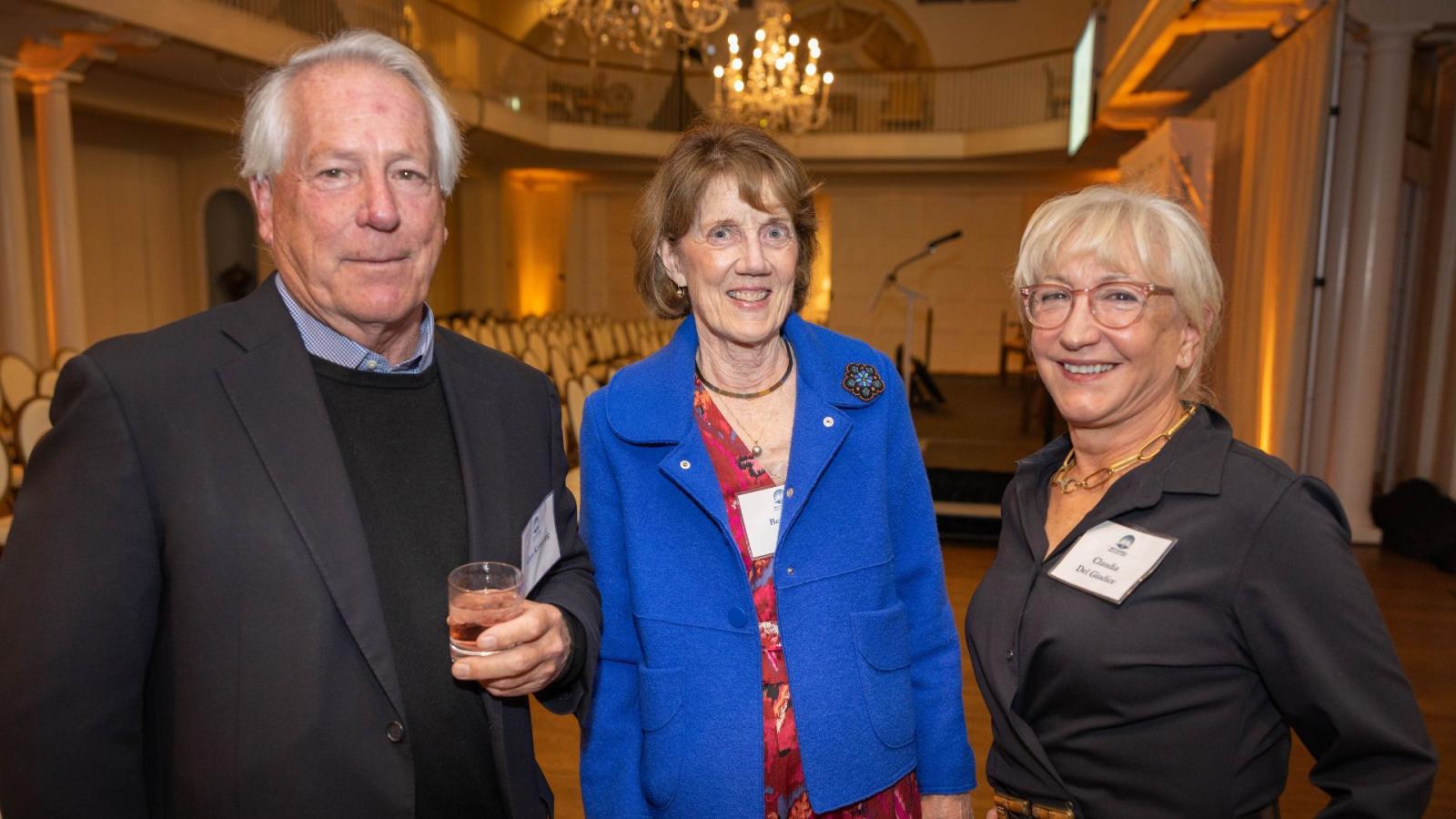
A record crowd of more than 150 gathered at the Country Club of Virginia Oct. 30 to hear from esteemed VCU Health physicians about what it means to manage metabolic health, cognitive wellness and chronic pain management, as well as how these affect our overall quality of life as we age. Photos: Will Rummel
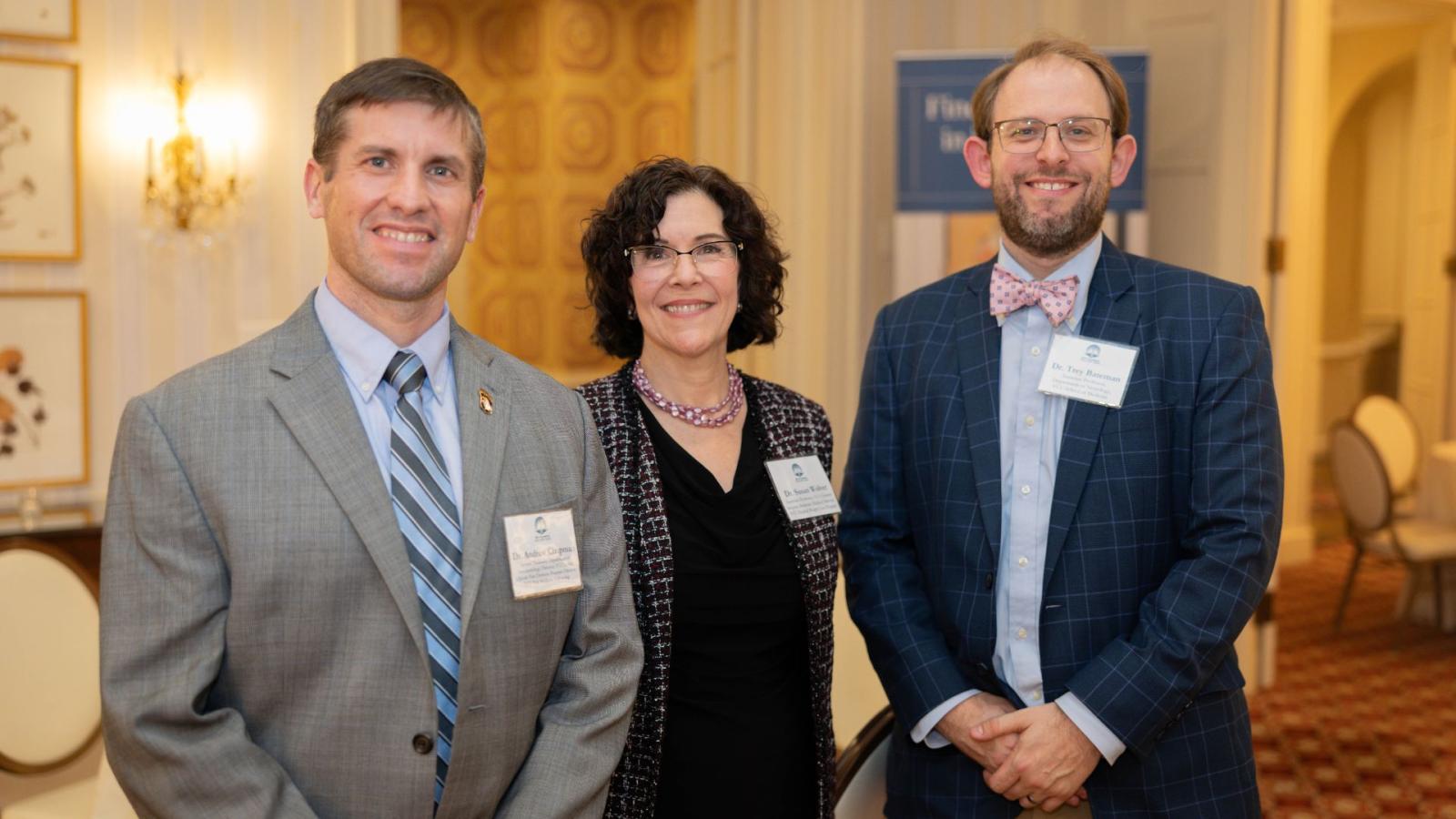
(L to R): Andrew W. Chapman, M.D., assistant professor in the Department of Anesthesiology, director of the VCU Health Chronic Pain Division and program director of the VCU Pain Medicine Fellowship; Susan Wolver, M.D., associate professor of general internal medicine at the VCU School Medicine and medical director of the VCU Medical Weight Loss Program; and James “Trey” Bateman, M.D., M.P.H., associate professor in the Department of Neurology at the VCU School of Medicine.






Discovery Series RVA Offers Insights into Living Longer
Everyone is looking for the proverbial fountain of youth.
But the keys to long, happy lives are within reach, and VCU Health stands ready through innovative research and personalized care to help individuals make that journey.
A record crowd of more than 150 gathered at the Country Club of Virginia Oct. 30 to hear from esteemed VCU Health physicians about what it means to manage metabolic health, cognitive wellness and chronic pain management, as well as how these affect our overall quality of life as we age.
People who engage in healthy cardiovascular and metabolic activities have a lower risk and lower rate of dementia as they get older.
James “Trey” Bateman, M.D., M.P.H., associate professor in the Department of Neurology, VCU School of Medicine
The foundation’s Discovery Series was established in 2013 as a means of connecting Williamsburg residents to the MCV Campus through programming that educates them about outstanding medical care and life-changing research happening in Richmond. The popularity of the series prompted the expansion to the Richmond area in 2019.
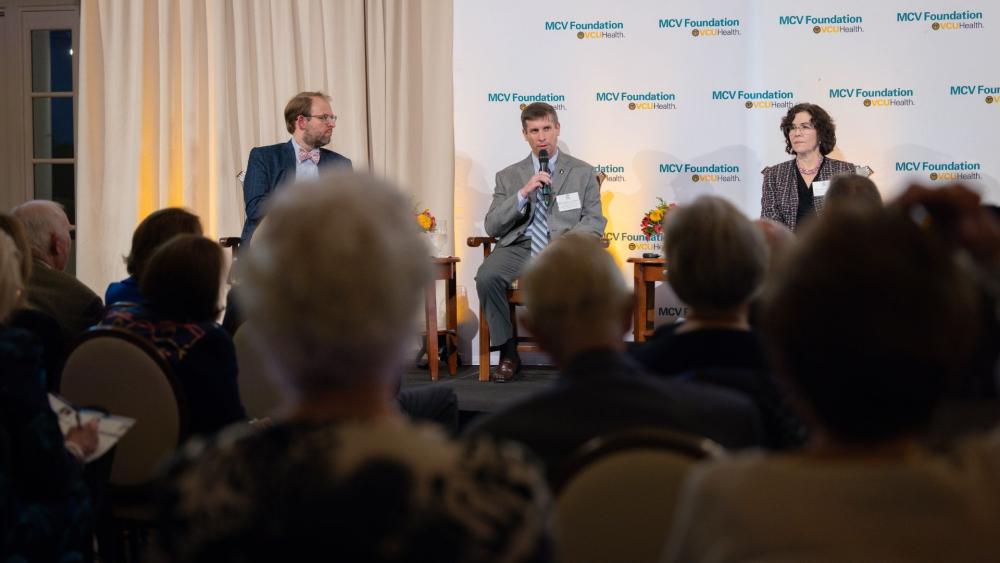
The format is unique: Leading VCU Health clinicians, scholars and researchers share their insights and their time through panel discussions followed by informal conversations with attendees.
Last week’s Discovery Series RVA event was called “Living Better Longer: Managing Metabolic Health, Chronic Pain and Cognitive Challenges” and featured James “Trey” Bateman, M.D., M.P.H., associate professor in the Department of Neurology at the VCU School of Medicine; Susan Wolver, M.D., associate professor of general internal medicine at the VCU School Medicine and medical director of the VCU Medical Weight Loss Program; and Andrew W. Chapman, M.D., assistant professor in the Department of Anesthesiology, director of the VCU Health Chronic Pain Division and program director of the VCU Pain Medicine Fellowship.
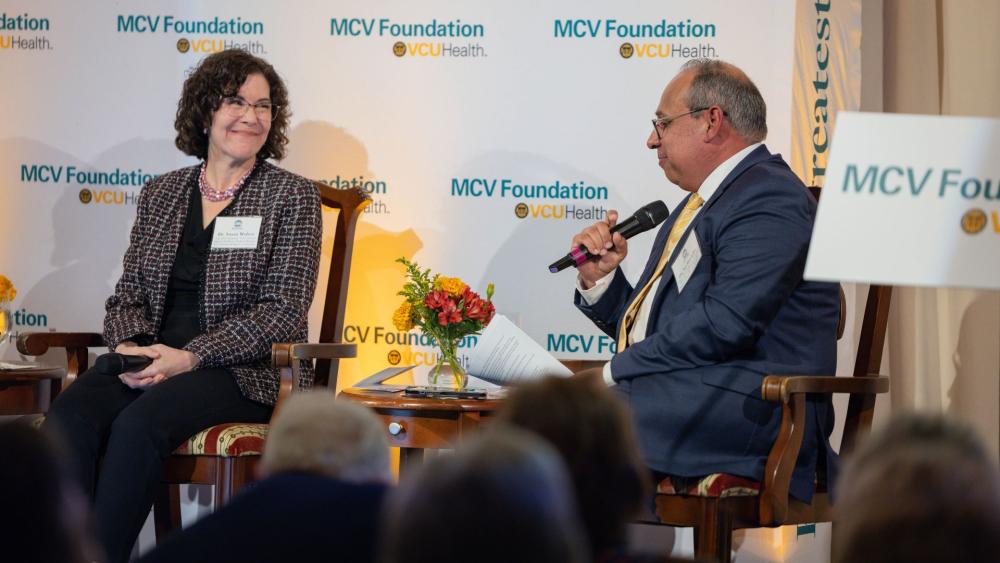
Moderating the panel was MCV Foundation trustee Art Saavedra, M.D., Ph.D., dean of the VCU School of Medicine.
Discovery Series events are made possible, in large part, by volunteer host committees who help shape programming and provide outreach to the community.
In Richmond, the committee includes Tenley and Wyatt Beazley, Maura and Mike Bisceglia, Ann and Roger Boevé, Susan and Steve Gaidos, Gail and Earl Johnson, Becky Perdue, and Judi and Jim Starkey.
Metabolic Health
The night began with a quiz, courtesy of Dr. Wolver, who asked the audience how many people knew their cholesterol numbers, or their triglycerides, or even their waist sizes. The smattering of hands throughout the large crowd decreased with each question.
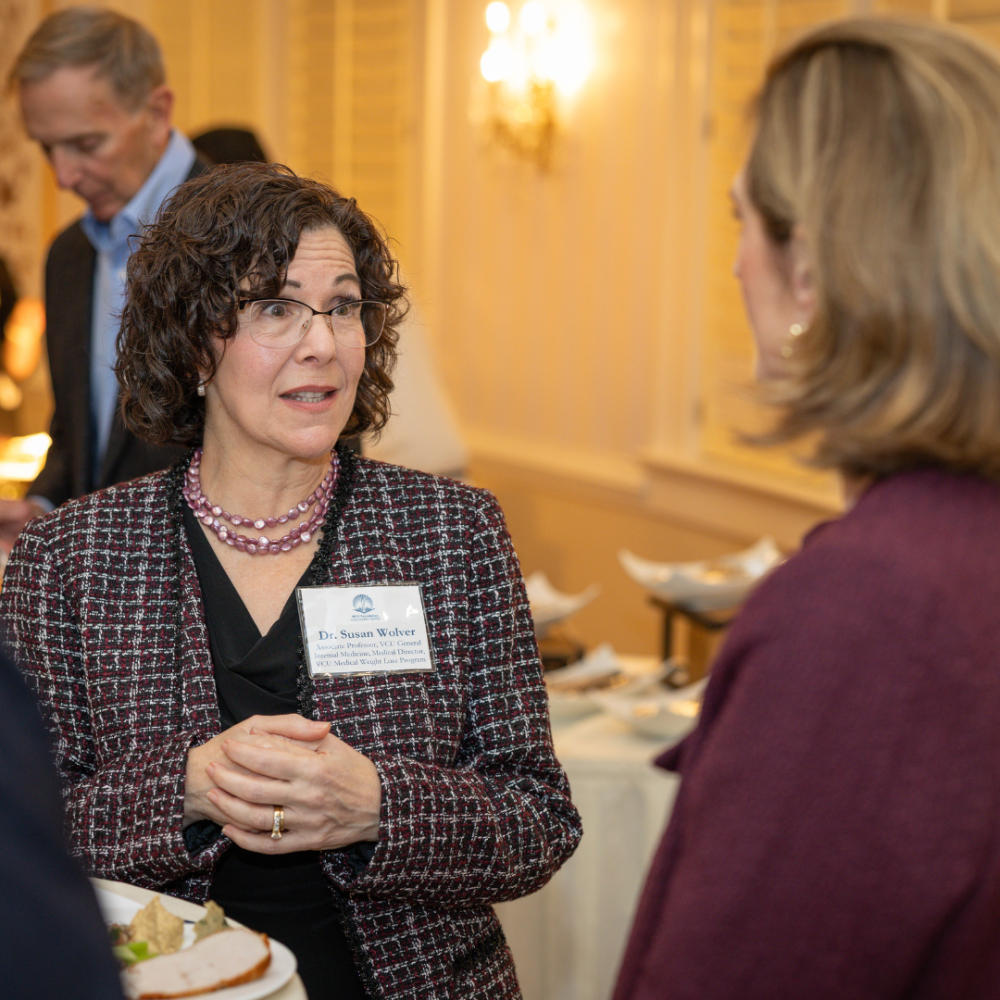
“Metabolic unhealth is really the foundation of so many of the diseases that we see,” Dr. Wolver said, explaining that metabolic health rests on key biomarkers, including blood pressure, blood sugar, triglycerides, A1C, waist sizes, and HDL, or the “good” cholesterol. Metabolic syndrome occurs when an individual’s results in at least three of those biomarkers are outside healthy ranges. In short, it means their risk factors for diseases go up.
“If you want to live long,” she said, “it’s really important to get those metabolic conditions under control.”
Dr. Wolver offered ways individuals can help their metabolic health, namely through sustainable lifestyle changes. The standard American diet is often high in carbohydrates, processed foods and fat. Her weight loss program at VCU teaches individuals how to incorporate fresh fruits and vegetables, healthy protein, and exercise into their everyday lives. Even people whose metabolic markers are within normal ranges can be overweight, which leads to inflammation as well as joint pain in the knees, hips and other areas of the body.
Dr. Wolver also touched on a hot-button issue: injectables for weight loss.
Originally created as diabetes medications nearly 15 years ago, drugs such as Ozempic, Wegovy and others are now used as weight loss aids. They’re popular, Dr. Wolver said, for one simple reason: Many people who try to lose weight on their own cannot overcome what she calls “metabolic adaption,” or the body’s biological tendency to hold onto weight when a person starts to lose it.

And while they can be helpful tools for fighting obesity, weight loss drugs are not for everyone. Dr. Wolver cautioned that weight loss must be carefully monitored, particularly in older individuals, as a small percentage of every pound lost also represents lost muscle. It’s why she encourages strength training and proper nutrition as people lose weight.
“These medicines can be great, but they don’t work in a vacuum,” she said. “VCU offers a multidisciplinary program, and we work on all these things. When people carry extra weight, it affects every area of their life, but when you can give them back their health that’s my absolute favorite thing to do.”
Chronic Pain Management
Dr. Chapman picked up the conversation with another topic where VCU Health excels through multidisciplinary approaches to care: lower back pain.

Roughly 80 percent of the population will experience lower back pain. Acute back pain converts to chronic pain in about 30 percent of individuals. Dr. Chapman explained that his focus is on interventional practices, in which he finds ways to improve the functionality and quality of life for his patients without addictive drugs or invasive surgeries. VCU Health created its Chronic Pain Division nearly a decade ago.
Working with teams from nutrition, neurology, surgery and more, Dr. Chapman said he uses image-guided procedures to target known causes of pain “and treat them effectively with a minimum of fuss.”
He referenced a specific condition, called lumbar spinal stenosis, in which the area surrounding the spinal cord narrows and pinches both it and the nerves, often from disc herniations or arthritis. More than 200,000 cases are diagnosed annually, and while most people think invasive surgery is the only option, Dr. Chapman said there are minimally invasive options for some people.
Injections, physical therapy and non-narcotic pain medicines can be helpful.
“Chronic low back pain is complex, but what we try to do is find ways to treat patients without medications that have adverse side effects or that increase risks for falls and fractures,” he said. “What I really like about interventional pain medicine is that as my patients’ lives get better, they’re able to be functional and do things that they thought a few years ago were out of reach.”
Cognitive Wellness
Dr. Bateman rounded out the panel by exploring the connection between brain and metabolic health.
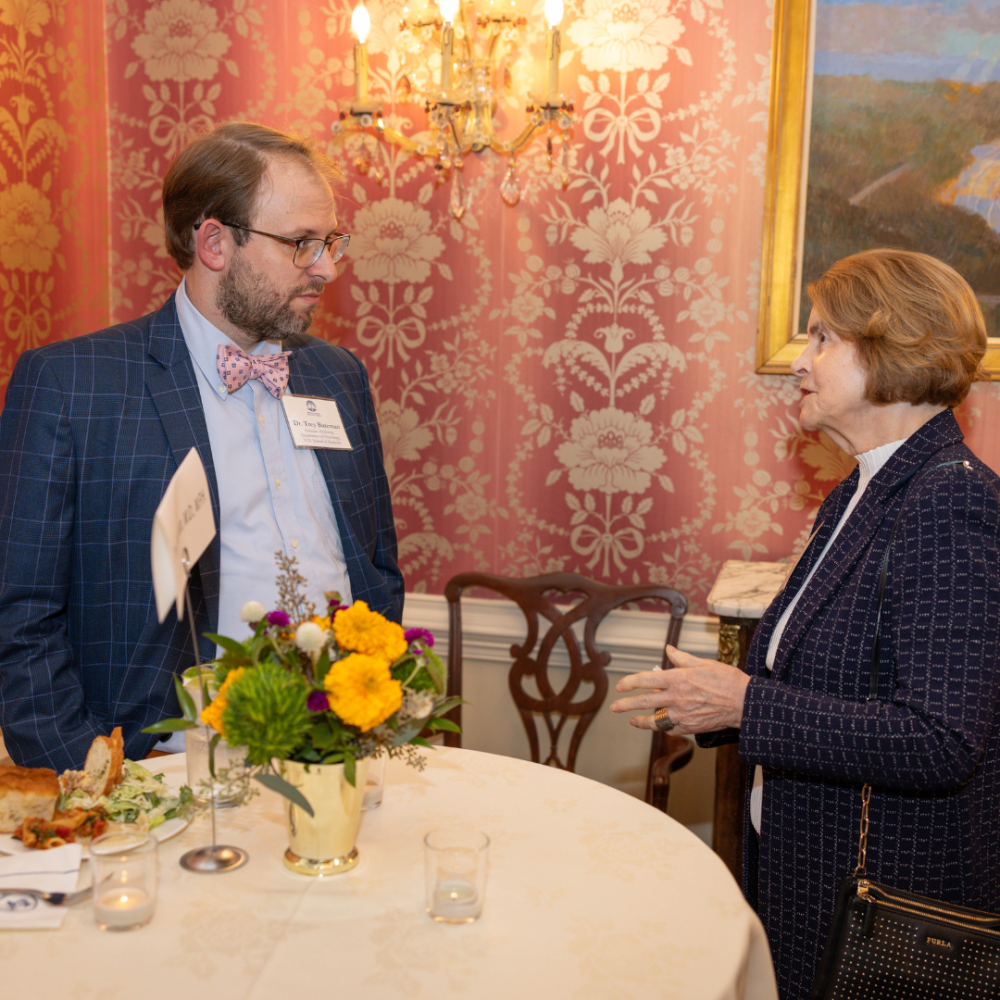
“Cardiovascular diets that are good for the heart are good for the brain,” he said, citing the universal Mediterranean diet that’s rich in healthy fats like olive oil and fish, plus fresh fruits and veggies, whole grains, lentils and nuts.
“People who engage in healthy cardiovascular and metabolic activities have a lower risk and lower rate of dementia as they get older.”
Dr. Bateman, who joined VCU in August, said brain changes are a normal part of aging. Where our memories and collective wisdom remain the same or even get better, cognitive processes that require speed and flexibility slow down, and multitasking becomes harder. But when cognitive decline surpasses those normal changes associated with aging such as when individuals have a hard time with everyday functions like cooking, paying bills or driving, that could be the onset of something more serious.
Many people are scared to see memory specialists, he said, because they’re afraid of hearing news of an irreversible condition. But Dr. Bateman said understanding the underlying causes of cognitive decline is key.
“I see patients with mild cognitive decline, but instead of just leaving it there, we always take that next step to understand what’s contributing to the problem,” he said. “Sometimes the answer is Alzheimer’s, but sometimes the answer is untreated sleep apnea or poorly treated diabetes or depression – these are other factors that can contribute to memory and thinking problems.”
He said VCU’s renowned expertise at treating cognitive disorders stems from its comprehensive approach that involves nurse navigators, social workers, advanced practice providers and more.
“What sets us apart is we will do a thorough evaluation to help people understand the cause of what’s going,” he said. As this area of research and care continues to grow, so will VCU. “The expertise and multidisciplinary care are the real hallmarks of the Alzheimer's and cognitive resources clinic here at VCU.”
If you are interested in learning more about the MCV Foundation’s Discovery Series, please contact Brian Thomas, interim president and CEO, at 804-828-0067 or bthomas@mcvfoundation.org.