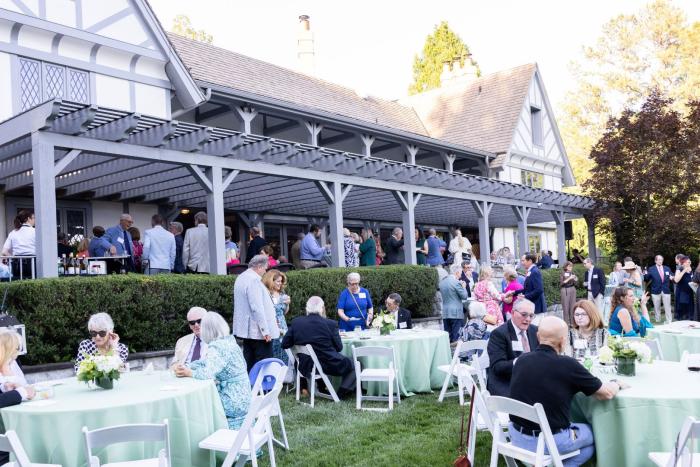
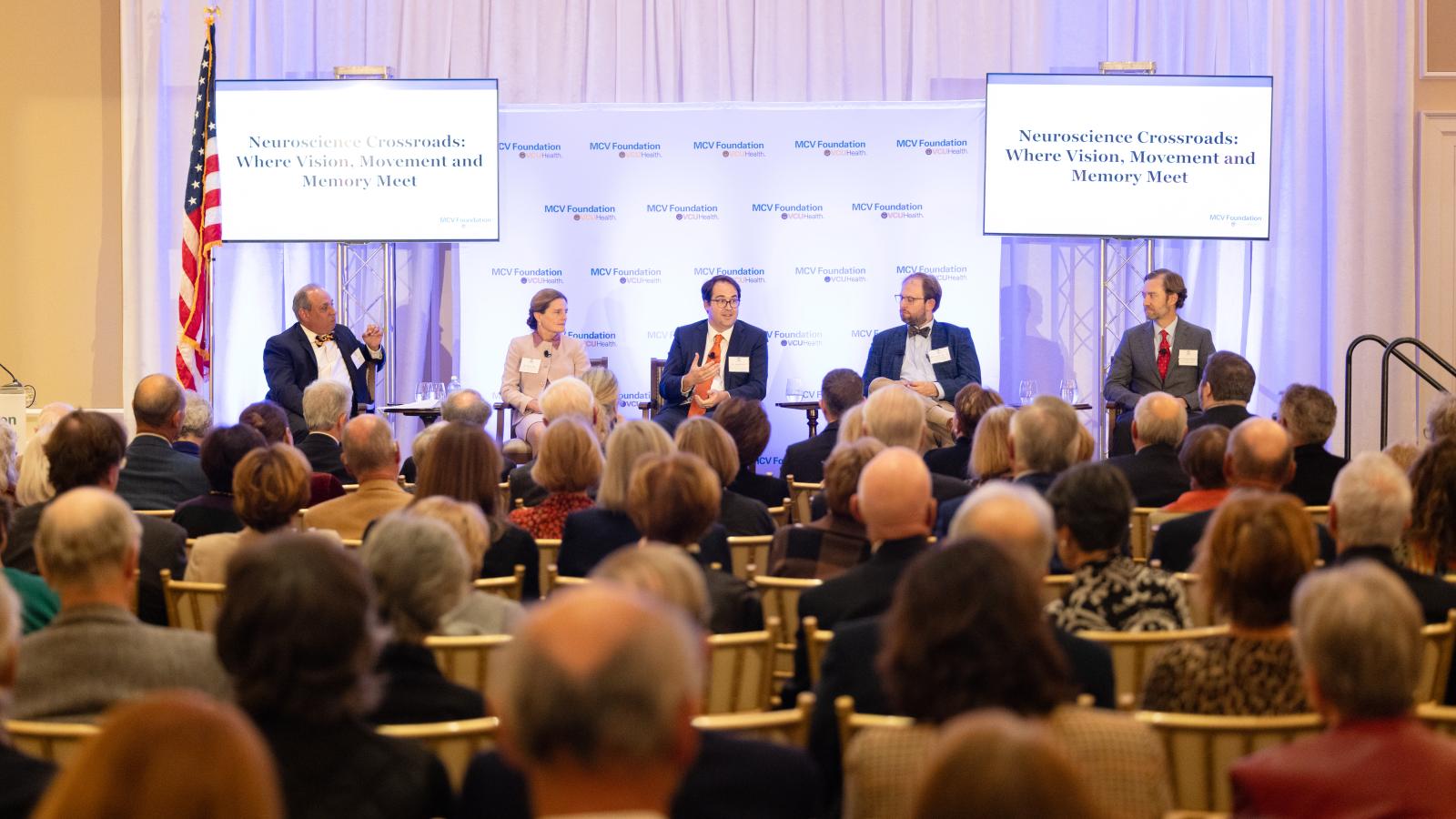
The Discovery Series Williamsburg event titled “Neuroscience Crossroads: Where Vision, Movement and Memory Meet,” was held at the William & Mary Alumni House and featured several prominent VCU School of Medicine faculty.
Discovery Series Williamsburg Explores Neuroscience through Vision, Memory and Movement
Written by Holly Prestidge | Photos by Daniel Sangjib Min
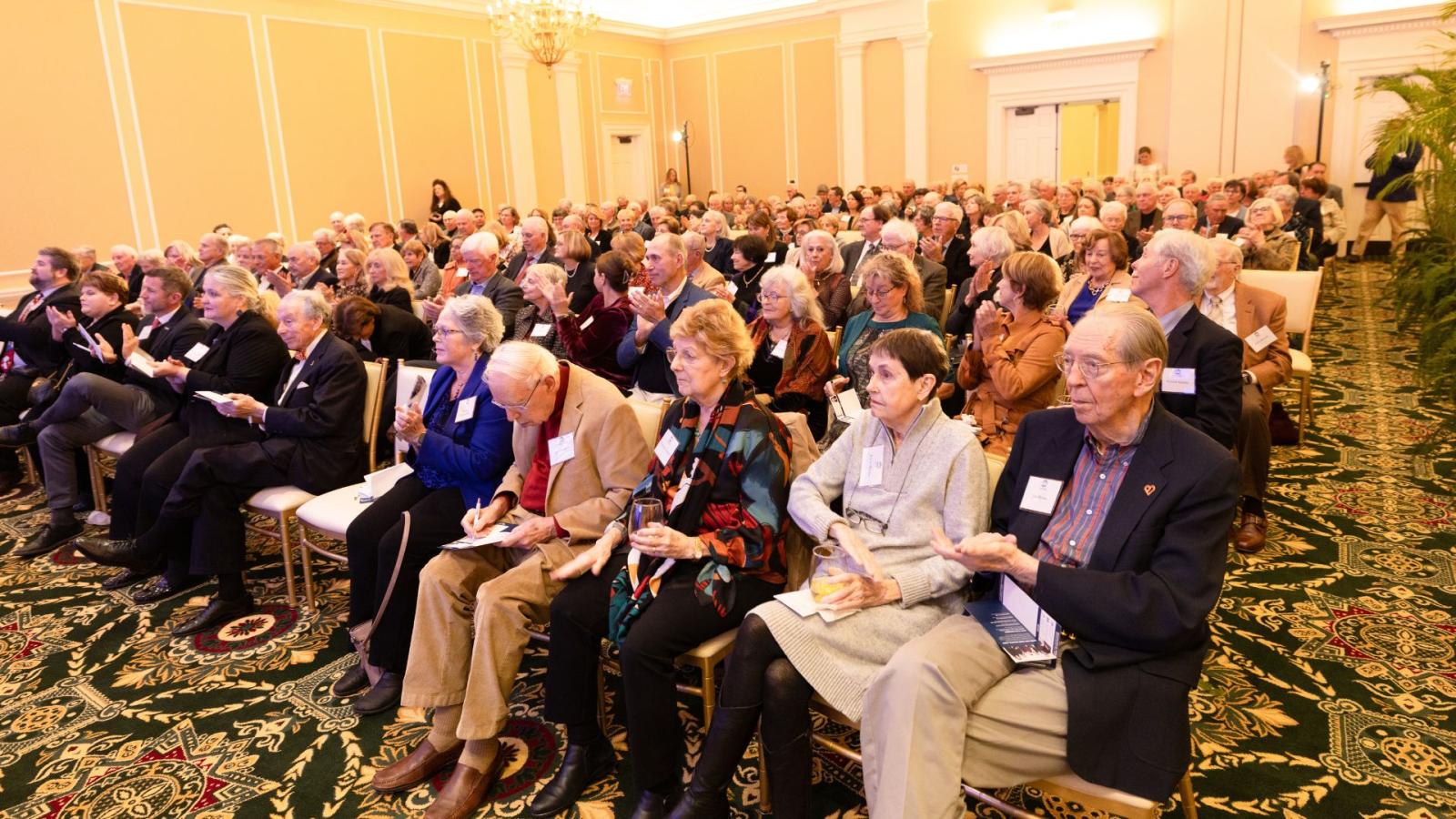
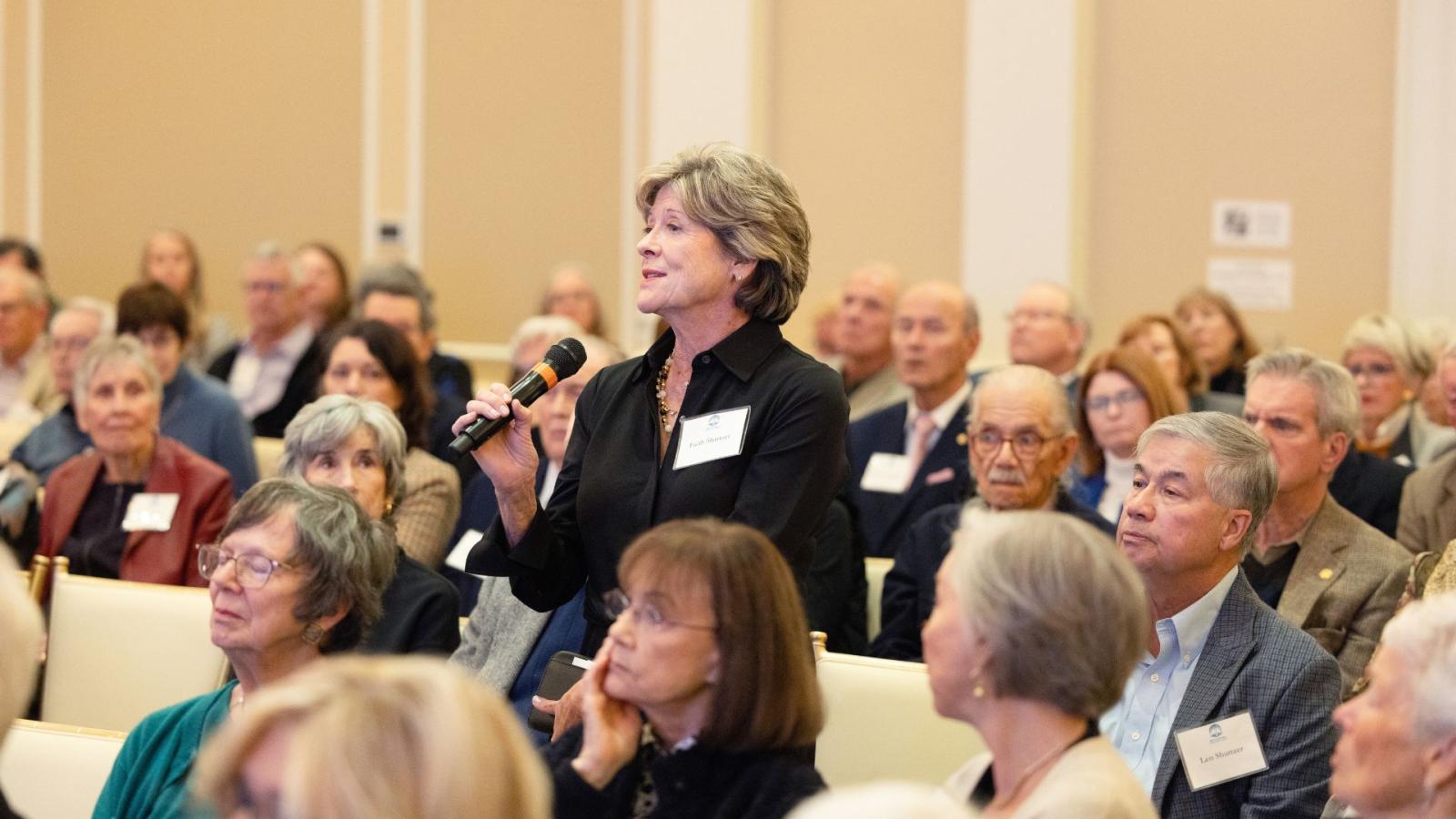
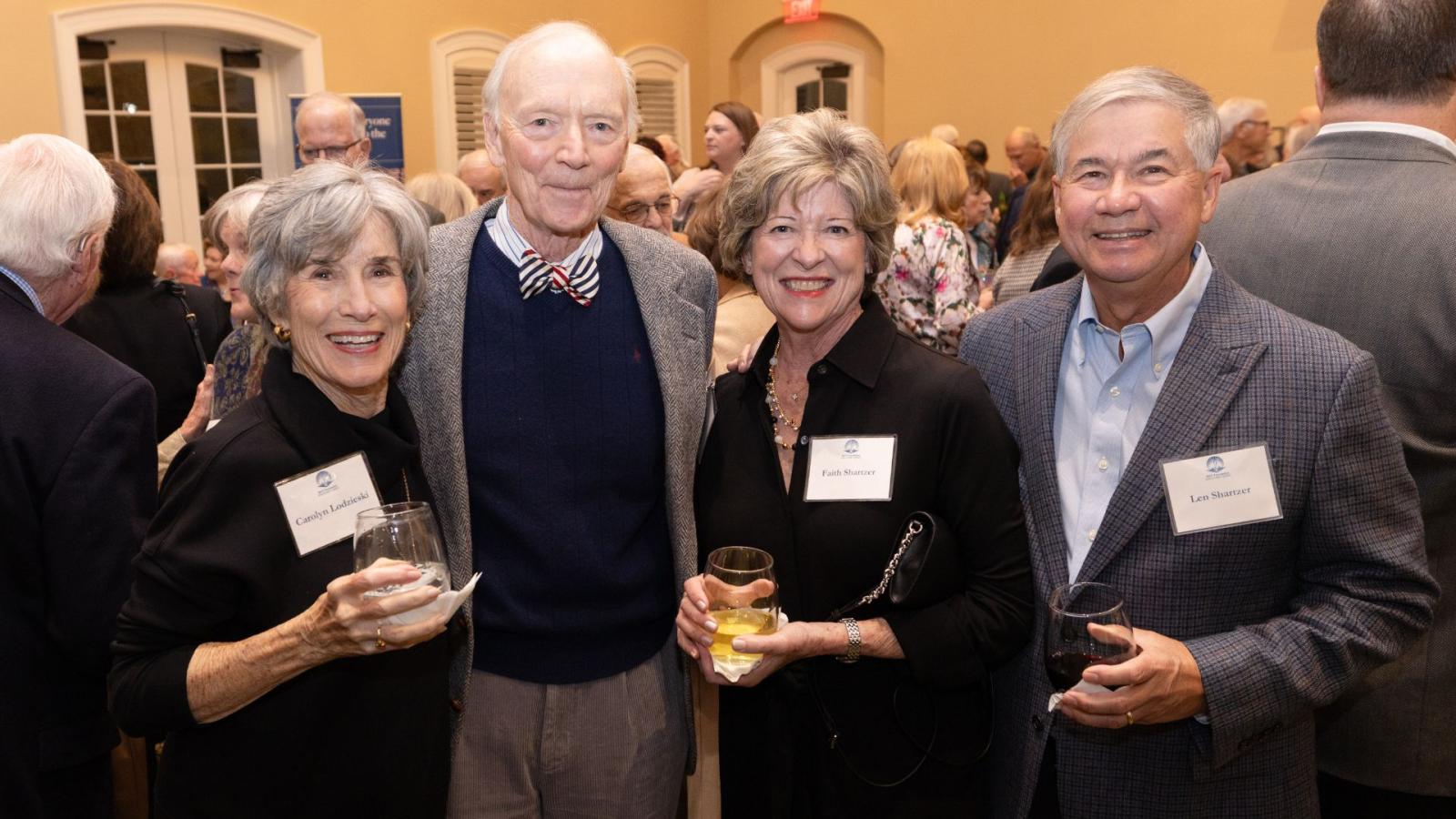
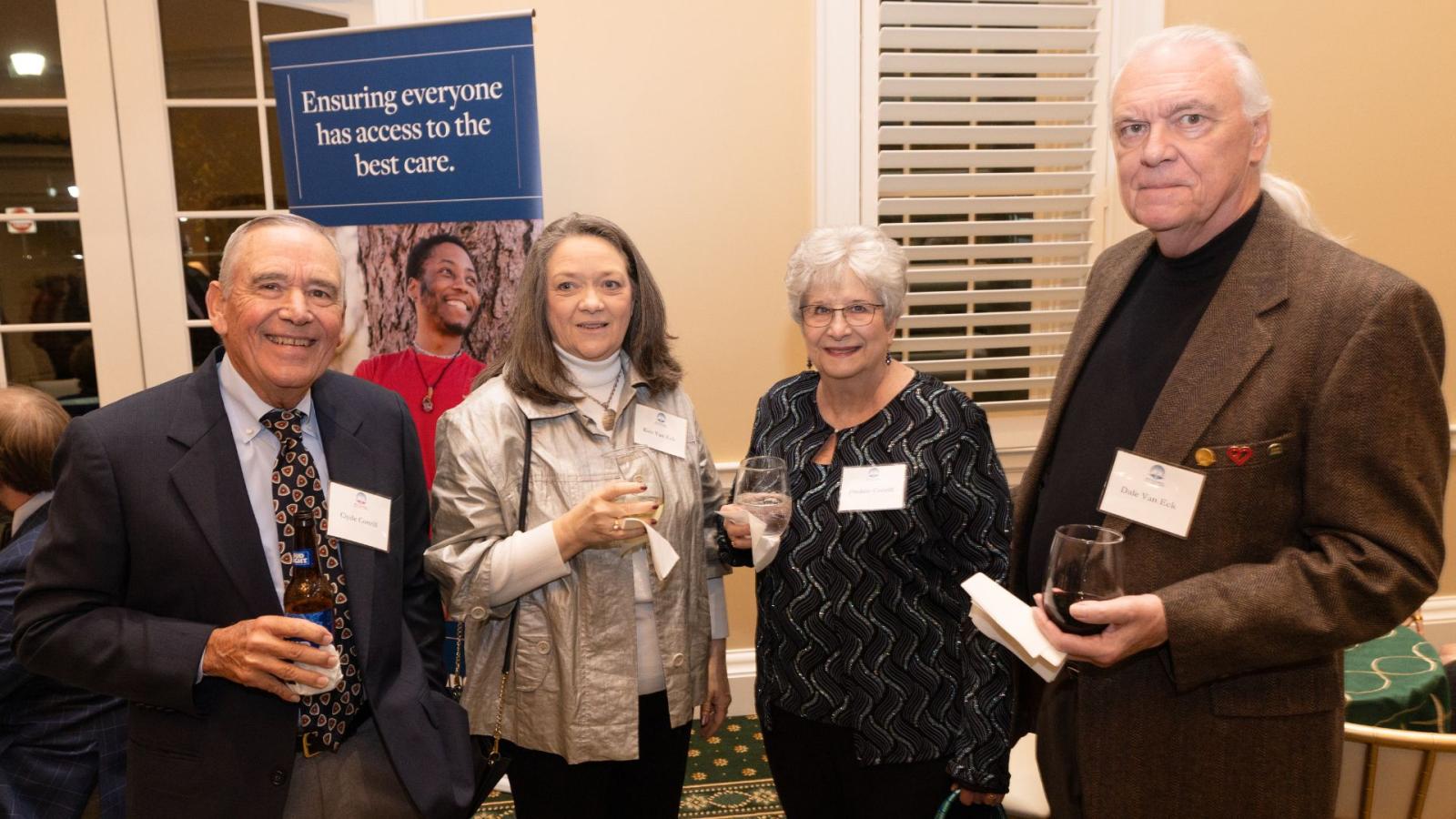
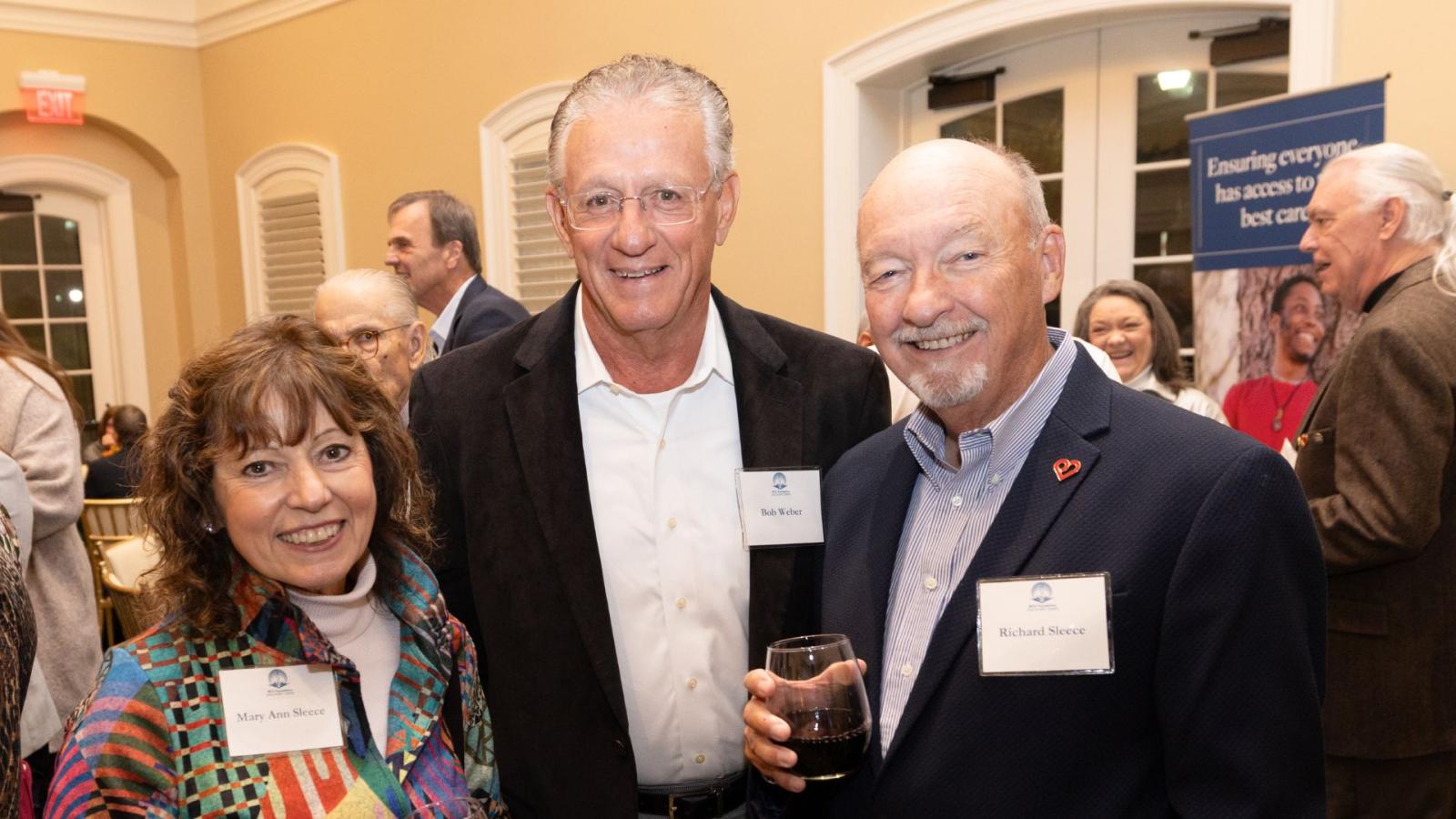
More than 150 people in Williamsburg heard from some of the nation’s leading experts in neuroscience about advances in eye care, brain health, movement disorders and more this November.
The event was the latest installment of the MCV Foundation Discovery Series Williamsburg.
The series was established in 2013 as an outreach program to connect Williamsburg residents to the outstanding medical research, care and education happening on the MCV Campus. In 2019, the series expanded to include Richmond.
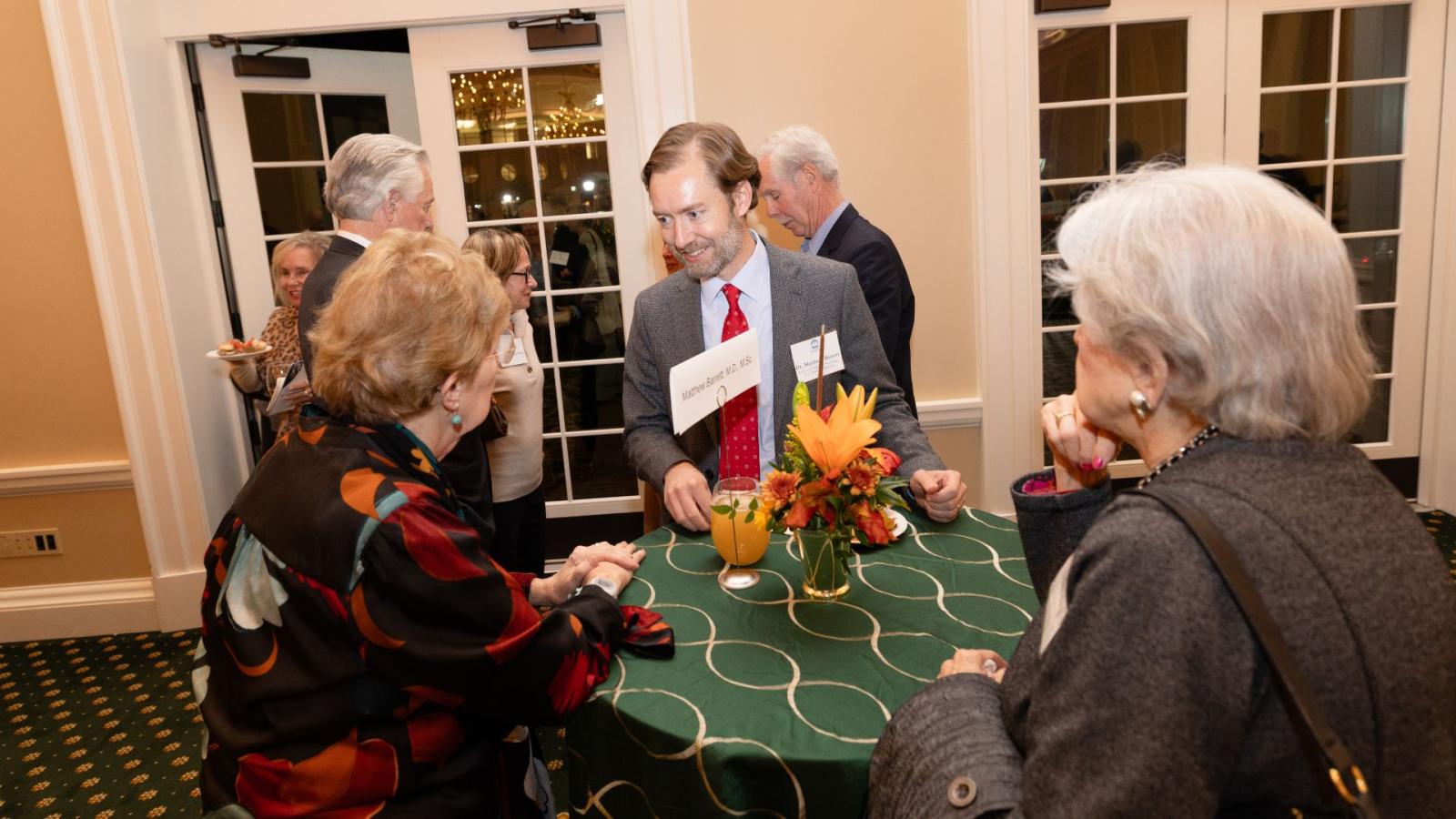
The events allow attendees to hear from a panel of leading VCU physicians and researchers. Afterward, guests can connect one-on-one with panelists during an informal strolling supper.
The popularity of the Discovery Series led to the formation of the Discovery Society in 2015. The Society honors individuals who make annual leadership gifts to support the MCV Campus. From an inaugural membership of 74, today’s Discover Society boasts more than 350 members who have collectively given $14.5 million.
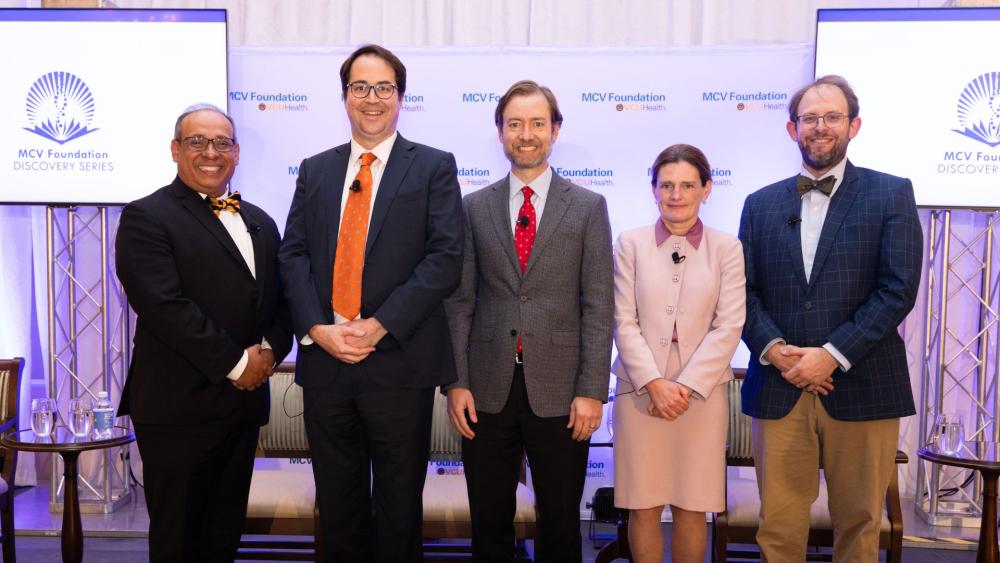
This fall’s Discovery Series Williamsburg event, titled “Neuroscience Crossroads: Where Vision, Movement and Memory Meet,” was held at the William & Mary Alumni House and featured several prominent VCU School of Medicine faculty:
- Mary K. Daly, M.D., Ragnit and Walter J. Geeraets Endowed Professor, chair of the Department of Ophthalmology
- James “Trey” Bateman, M.D., M.P.H., associate professor in the Department of Neurology
- Matthew Barrett, M.D., M.Sc., professor in the Department of Neurology
- Joseph Bell IV, M.D., Ph.D., assistant professor in the Department of Neurosurgery.
Moderating the panel was MCV Foundation trustee Art Saavedra, M.D., Ph.D., dean of the VCU School of Medicine.
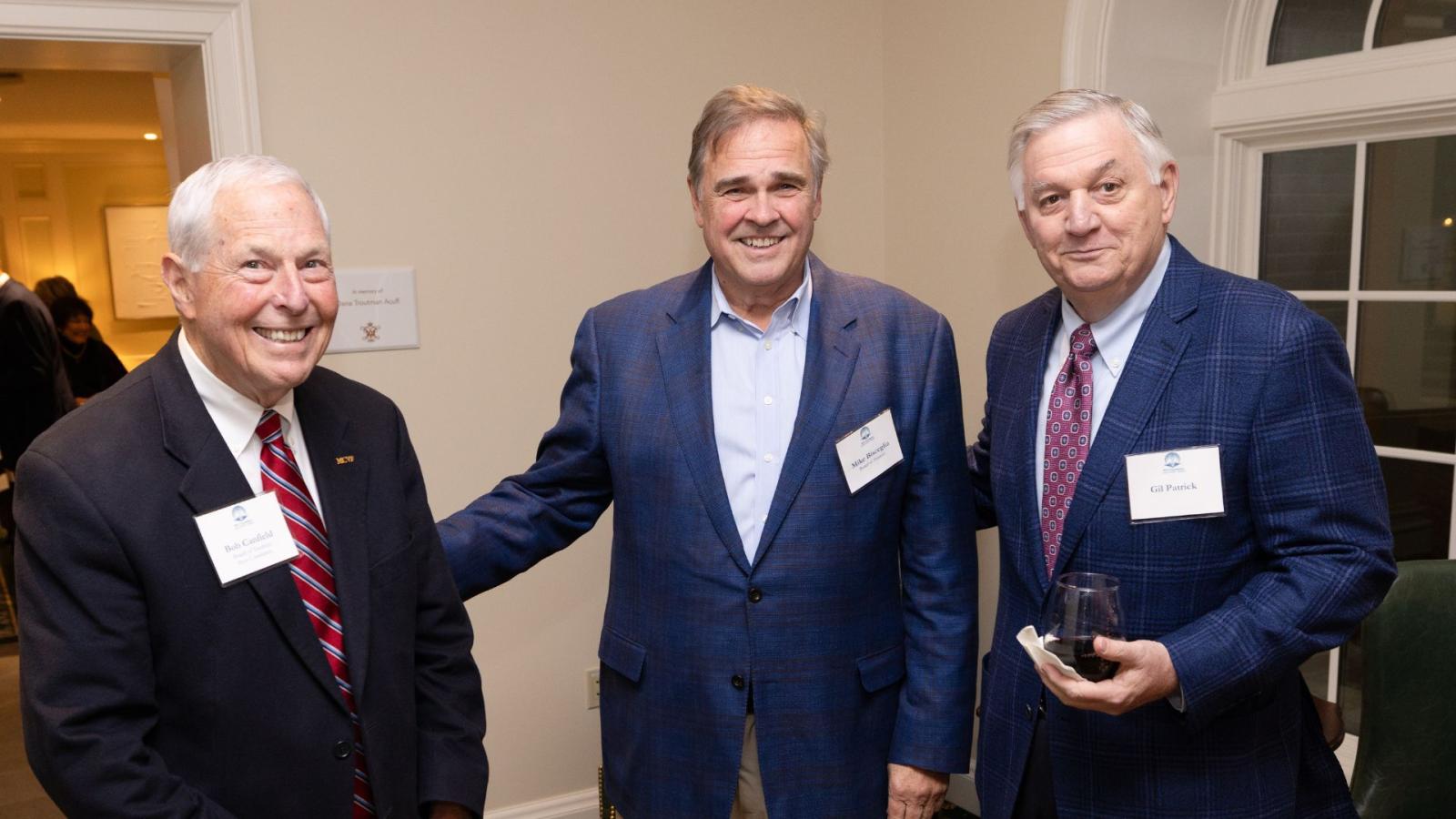
Discovery Series Williamsburg is made possible, in large part, thanks to a volunteer host committee that helps shape programming and provide outreach to the community. In Williamsburg, the committee includes Julie Baxter and Paul Dresser, Louise and Bob Canfield, Ginny and Charles Crone, Jane Kaplan and Judi Starkey.
Mary K. Daly, M.D., Ragnit and Walter J. Geeraets Endowed Professor, chair of the Department of Ophthalmology
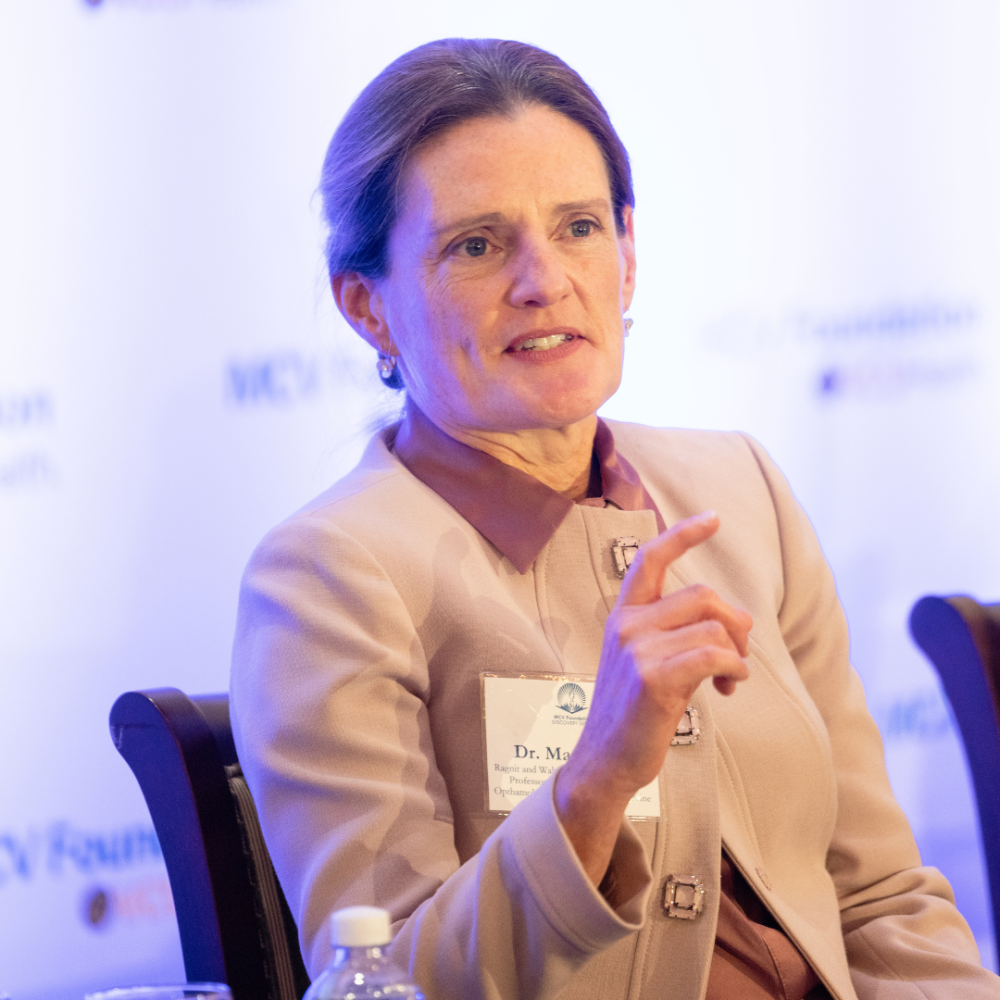
The night began with Mary K. Daly, M.D., sharing some eye-opening – pun intended – statistics: 40% of Americans are at risk for vision loss, yet only 60% of them get annual eye exams due to lack of access and other reasons. Diabetes, which leads to vision loss in many people, affects roughly one million Virginians, yet about half of those people are not getting eye screenings. Dr. Daly also cautioned that by 2035, there’s predicted to be the largest ever national ophthalmologist shortage.
VCU Health is poised to change that dire outlook for many people thanks to innovative, collaborative programs that improve patient care and outcomes, increase access for the most vulnerable populations and raise awareness that eye care is connected to many other health conditions.
Incredibly, that care now even begins with premature babies who are born as early as 22 weeks.
“Leadership is challenging us and investing in us so that by 2035, every Virginian will have access to eye care,” Dr. Daly said.
That’s happening in myriad ways, starting with partnerships across VCU, but also other health systems and private practices. The VCU School of Medicine has instituted a four-year ophthalmology training program that gets residents trained earlier in their education. Her department is working with the VCU College of Health Professions to create an ophthalmology technician training program, as well as an optometry program, which would be a first for VCU.
Dr. Daly has led the movement for cataract simulation training for resident students, which she’s found not only reduces surgery times, but also produces safer and better results for patients. She said VCU Health is the only center in the nation to have an extensive variety of training simulators.
“Our resident students, before they even hit the ground to see any of you,” she said, gesturing to the crowd of nearly 200, “they are going to know how to do everything.”
Dr. Daly also said attendees can expect to see virtual eye care through tele-health emerge as one more tool to help get access to areas that traditionally are underserved. To improve access recently, VCU – for the first time – performed elective cataract surgeries on a Saturday for patients who couldn’t get to the clinics during the week.
“We’re not just expanding our footprint geographically,” Dr. Daly said, “we’re also meeting people where they are and offering availability so they can get the help they need.”
James “Trey” Bateman, M.D., M.P.H., associate professor in the Department of Neurology
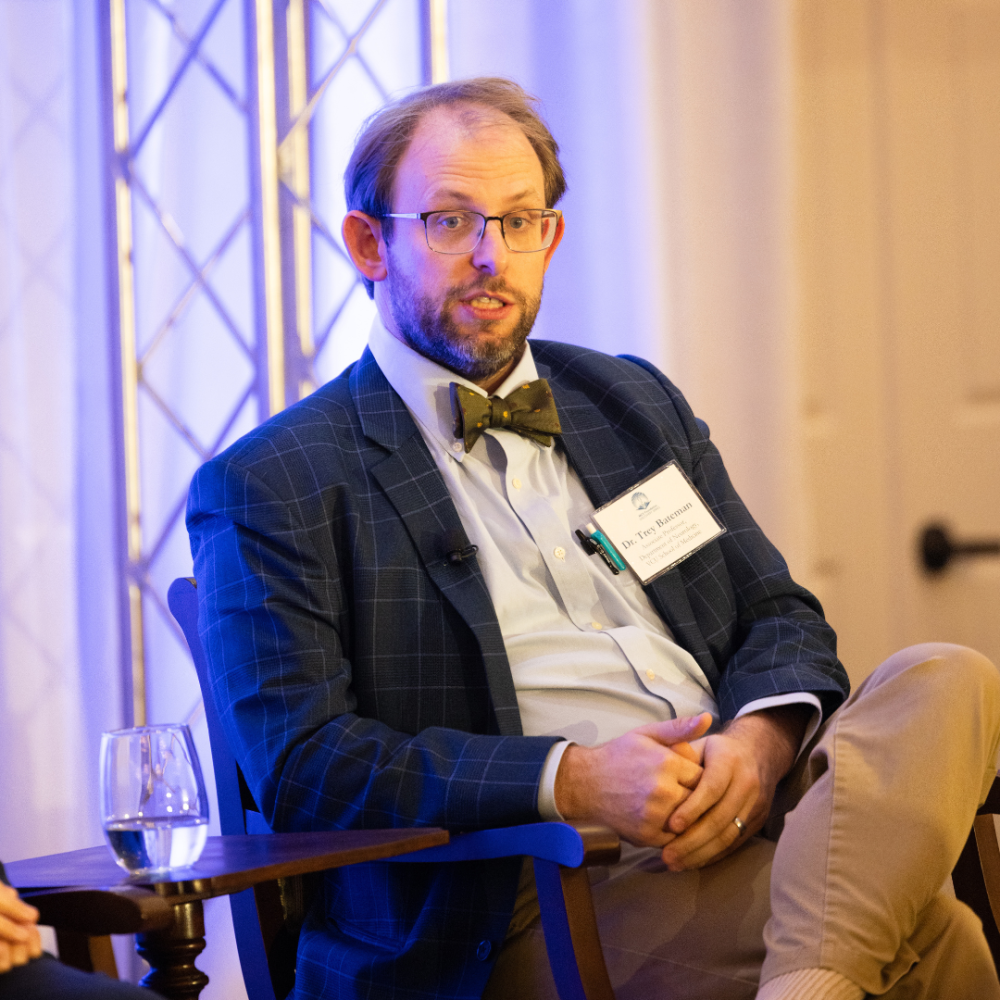
Cognitive decline is a normal part of aging, but when those declines impact daily functions like dressing, paying bills and driving, there’s more going on.
James “Trey” Bateman, M.D., M.P.H., a behavioral neurologist at the VCU Parkinson’s and Movement Disorders Center, explained that diagnoses of dementia and other degrees of cognitive impairment are just the first step in understanding what may be happening to a patient. In some cases, he said, the decline could be caused by reversible issues such as sleep apnea, depression or other medical conditions that aren’t being properly treated.
“All of those things can contribute to more than expected declines as we age,” he said, even in people who have Alzheimer's or Lewy body disease. “They’re still relevant because they’re impacting someone’s day to day function, so I spend a lot of time in my clinic trying to understand where someone is in their cognitive aging and then looking at the contributing factors for that decline.”
The good news is that research shows that brain health activities, cardiovascular exercise, a healthy diet and staying socially active can delay the onset of cognitive decline.
“Cognitive decline in older age is largely focused on reducing risk factors and promoting resiliency,” he said. “Managing symptoms will always be important, though promising disease modifying therapies are on the horizon.”
He referenced one such therapy, a monoclonal antibody infusion approved by the FDA in 2023, that triggers immune responses in the brain and helps remove a key protein involved in the pathogenesis of Alzheimer’s. These measures can slow the progression of the disease, particularly for those with mild symptoms.
The challenge of that therapy is identifying the disease early enough, Dr. Bateman said, as well as reducing side effects for patients. Clinical trials continue to evolve.
“We’re already seeing dramatic improvement in therapies, and one of my goals is to bring the therapies available to VCU but also access some of these exciting trials,” Dr. Bateman said. “The therapies currently in later phase trials are much more effective. They get into the brain quicker, they work quicker and they have a lower side effect rate.”
Matthew Barrett, M.D., M.Sc., professor in the Department of Neurology
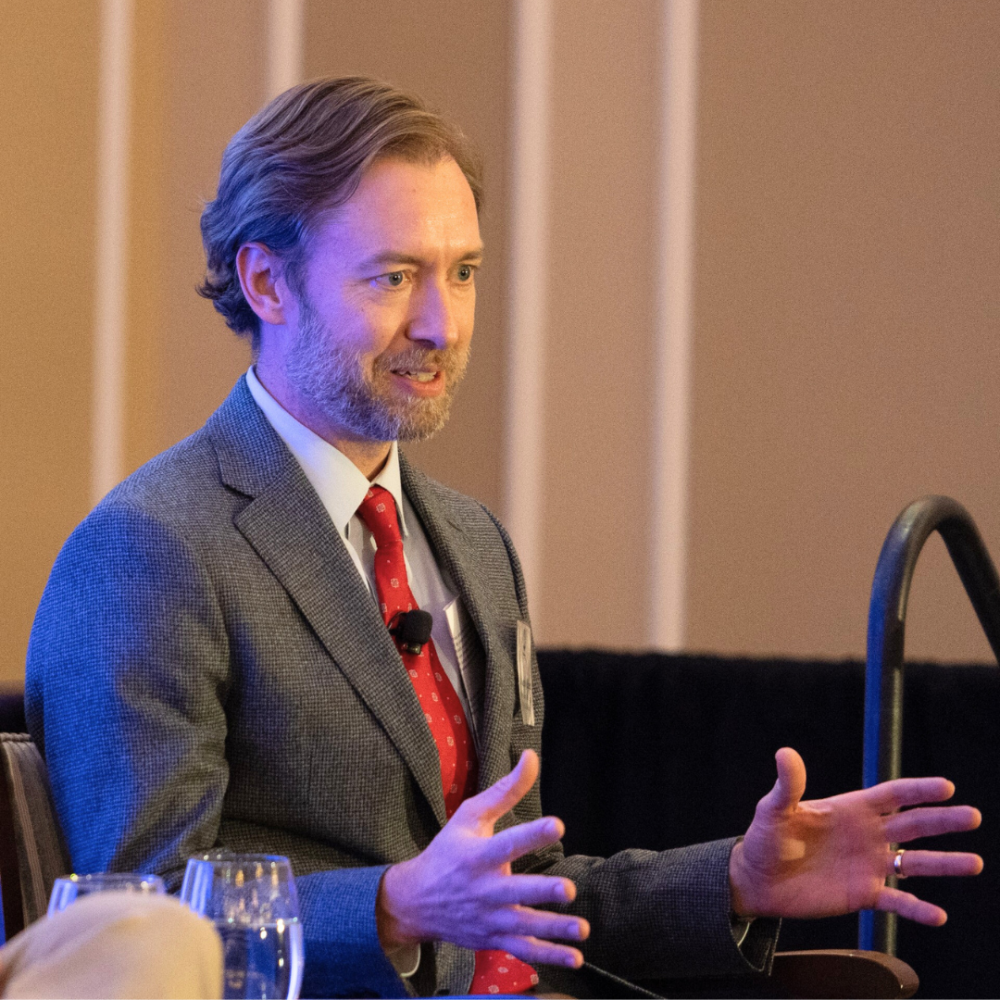
It’s estimated that 2% of people over age 60 will have Parkinson’s disease, a number that started to rise about a decade ago, said Matthew Barrett, M.D., M.Sc., a movement disorder neurologist at the VCU Parkinson’s and Movement Disorders Center.
In searching for the cause of that rise, researchers have recently found that large numbers of people affected were exposed to pesticides. Individuals who live in rural areas are considered at higher risks, he said, as were those living in a surprising place – near golf courses.
While Parkinson’s progresses slowly, he said, treatments currently involve addressing its symptoms, either through medicine or surgical procedures. Ultimately, however, slowing progression is the goal, and the best way to do that is through exercise.
“We know exercise is good for brain health, and we know it’s good for Parkinson’s because it improves the motor symptoms associated with the disease,” he said. There are advancements on other fronts, such as a novel treatment involving a pump that offers a continuous infusion of medication for those in advanced stages or those who have shown inconsistent responses to medication.
He said VCU will be the site for a new clinical trial and hopes that it brings researchers closer to finding the biology of the cause of Parkinson’s. Dr. Barrett also said he’s particularly interested in cognitive fluctuations among people who have dementia, including Lewy body, a common form of dementia caused by abnormal protein deposits in the brain.
The VCU Parkinson’s and Movement Disorders Center is a Lewy body dementia Association Research Center of Excellence, and with that comes access to advanced clinical trials and cutting-edge research as well as resources for caregivers and support groups.
“I’m quite interested in the fact that people experiencing cognitive decline can be clearer and more lucid at times,” Dr. Barrett said, “and we want to find some treatment to keep them at that level more often.”
Joseph Bell IV, M.D., Ph.D., assistant professor in the Department of Neurosurgery
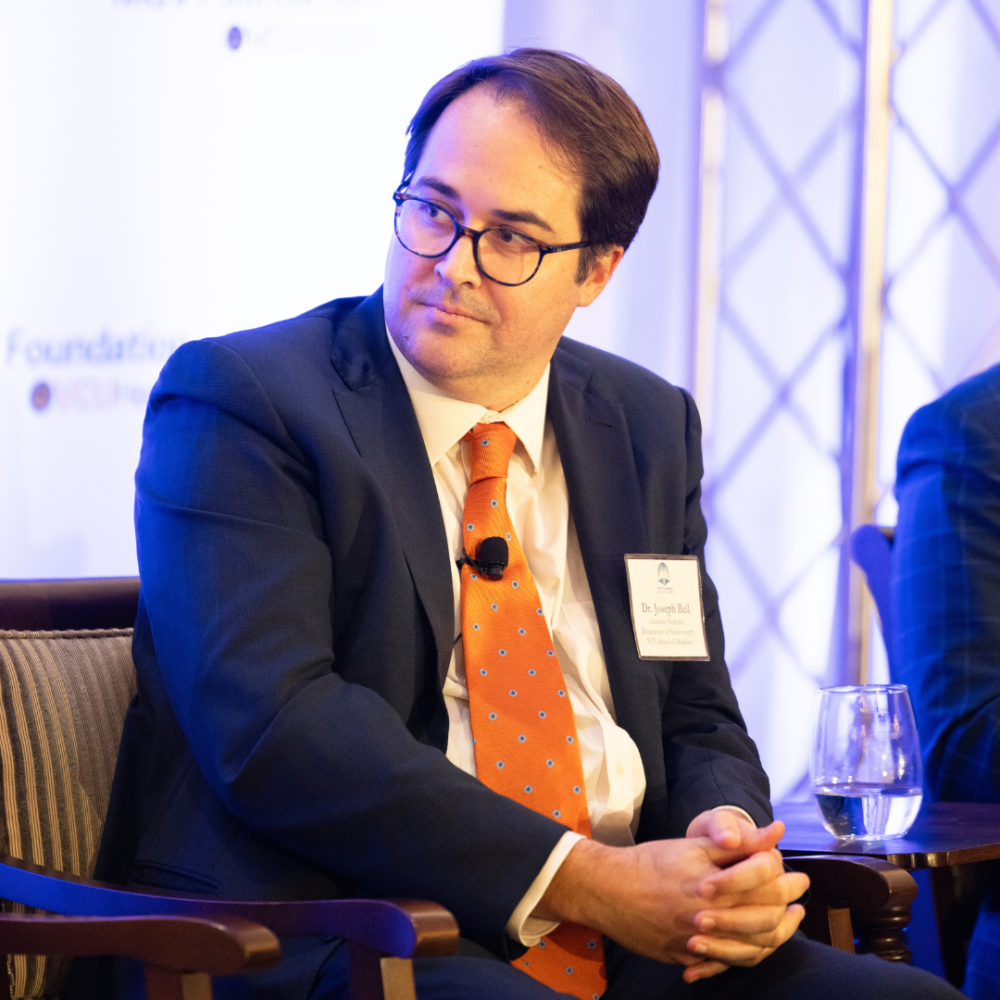
Joseph Bell IV, M.D., Ph.D., picked up the conversation from there, explaining that one of the emerging treatments for Parkinson’s is called deep brain stimulation, where implants act as stimulators to the brain as a form of medication. Advances in those implants are changing the field of neurosurgery, he said.
“Now these devices are getting smarter, and a brain implant that used to work like a pacemaker delivering constant stimulation on a regular schedule is now able to sense and record the brain waves from the changes the stimulation delivers,” Dr. Bell said. “This is opening up an entirely new class of therapies.”
He said technology has advanced to where those implants can be updated without additional surgeries. He likened that technology to an app on a cellphone that gets updated with the touch of a button on a device.
“The implants and stimulators that we developed for one purpose can be smarter, and we can use them for different purposes,” Dr. Bell said, citing potential groundbreaking implications for epilepsy and even people who’ve had strokes and have weakness in the arms.
“This is all coming because the devices that used to be as smart as your toaster are now as smart as your cell phone,” he said.
Dr. Bell also talked about invasive procedures being a barrier to treatment. Not everyone is healthy enough for complex, intrusive surgeries. One of the themes of neurosurgery has been to figure out how to take these treatments that are safe and effective but make them smaller so that we can give them to more people,” he said.
Transnasal surgeries, in which physicians access the brain through the nose and sinuses, are now common at VCU and are minimally invasive, he said.
Dr. Bell also cited treatments for tremors that involved focused ultrasounds, where that energy is focused on the same point in the brain. There are no incisions and patients are home the same day. Those who couldn’t have brain surgery for other health reasons could be potential candidates for focused ultrasound.
“We don’t want to just produce effective treatments,” he said. “We want to be able to treat everybody.”
If you are interested in learning more about the MCV Foundation’s Discovery Series, please contact Brian Thomas, interim president and CEO, at 804-828-0067 or bthomas@mcvfoundation.org.