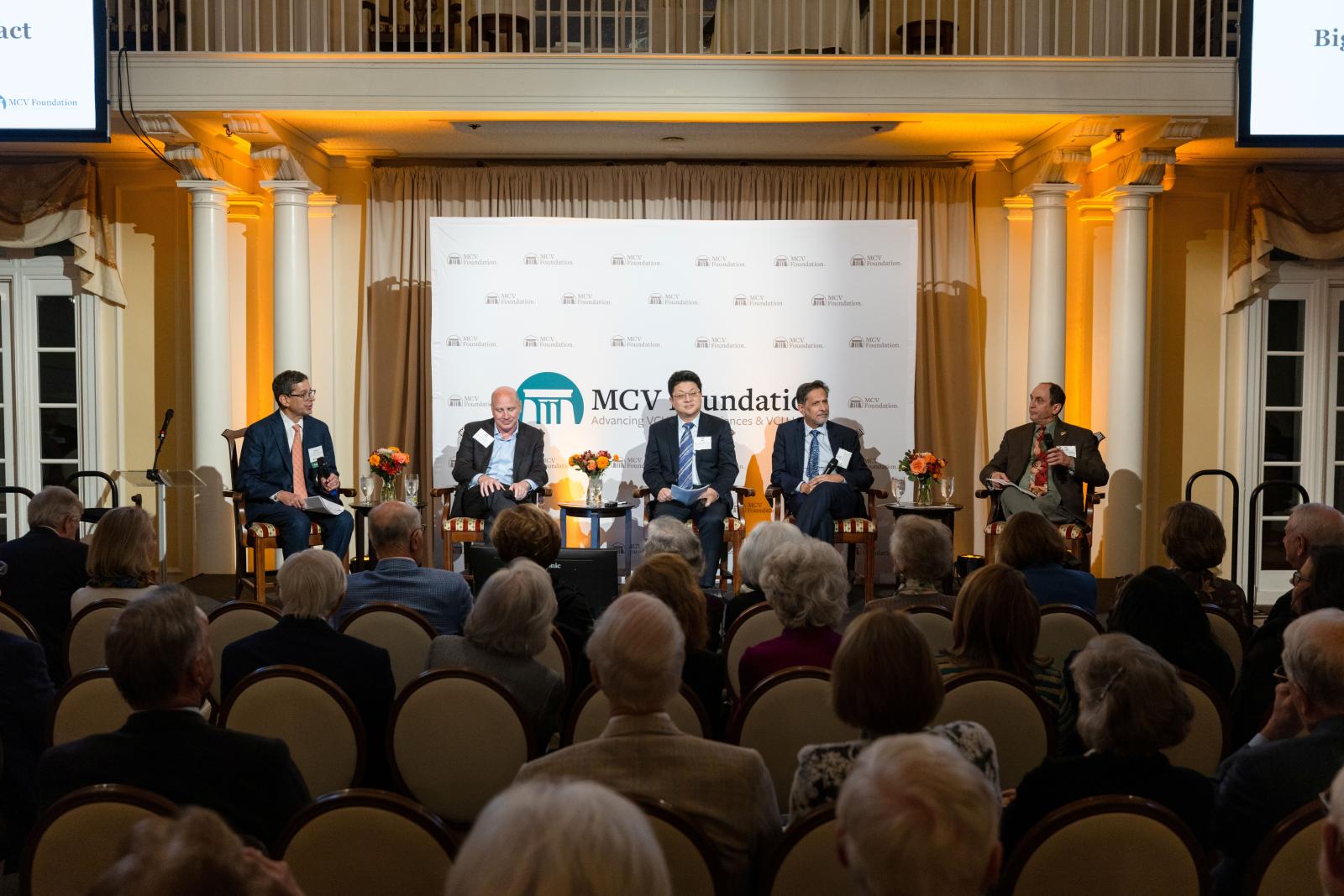
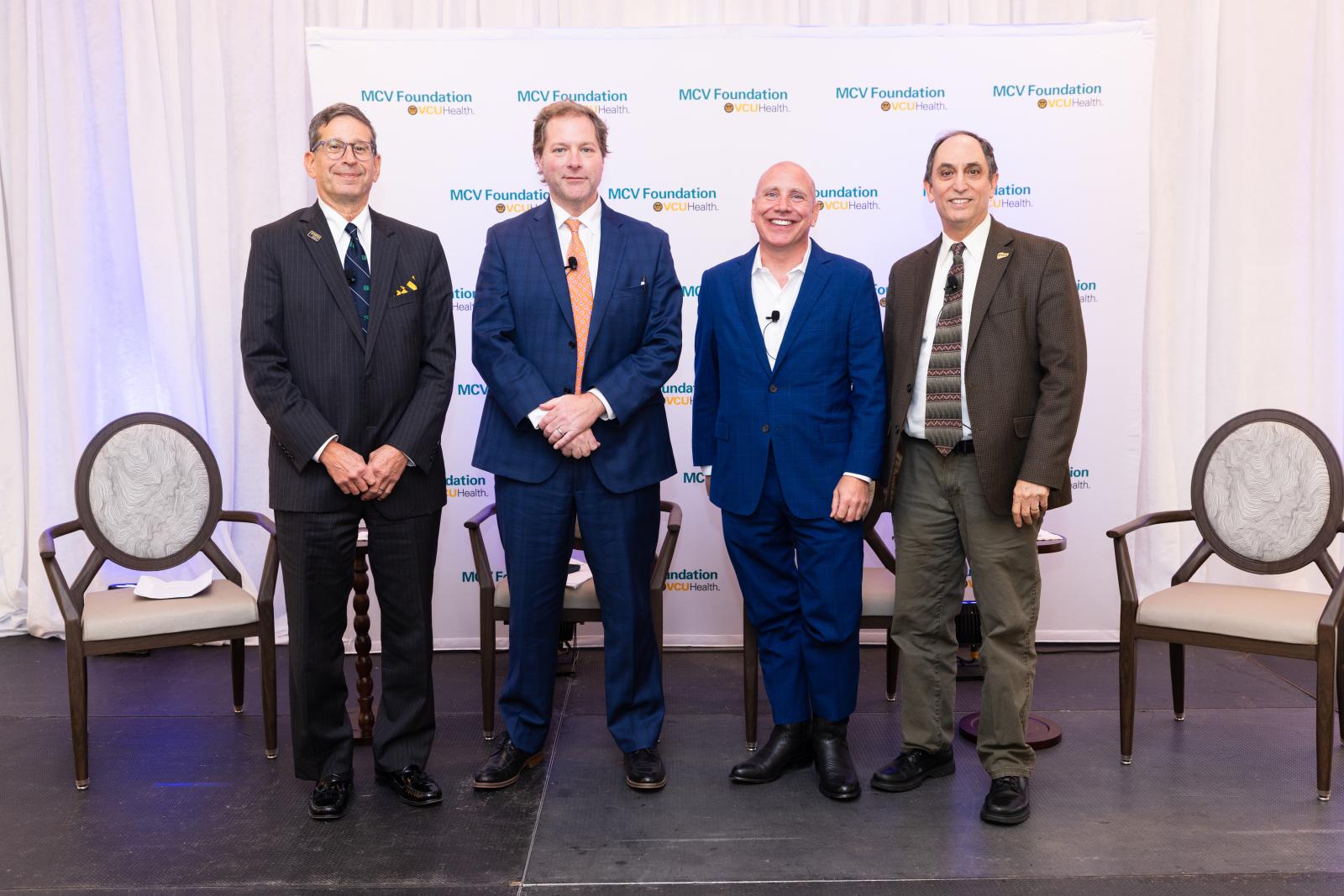
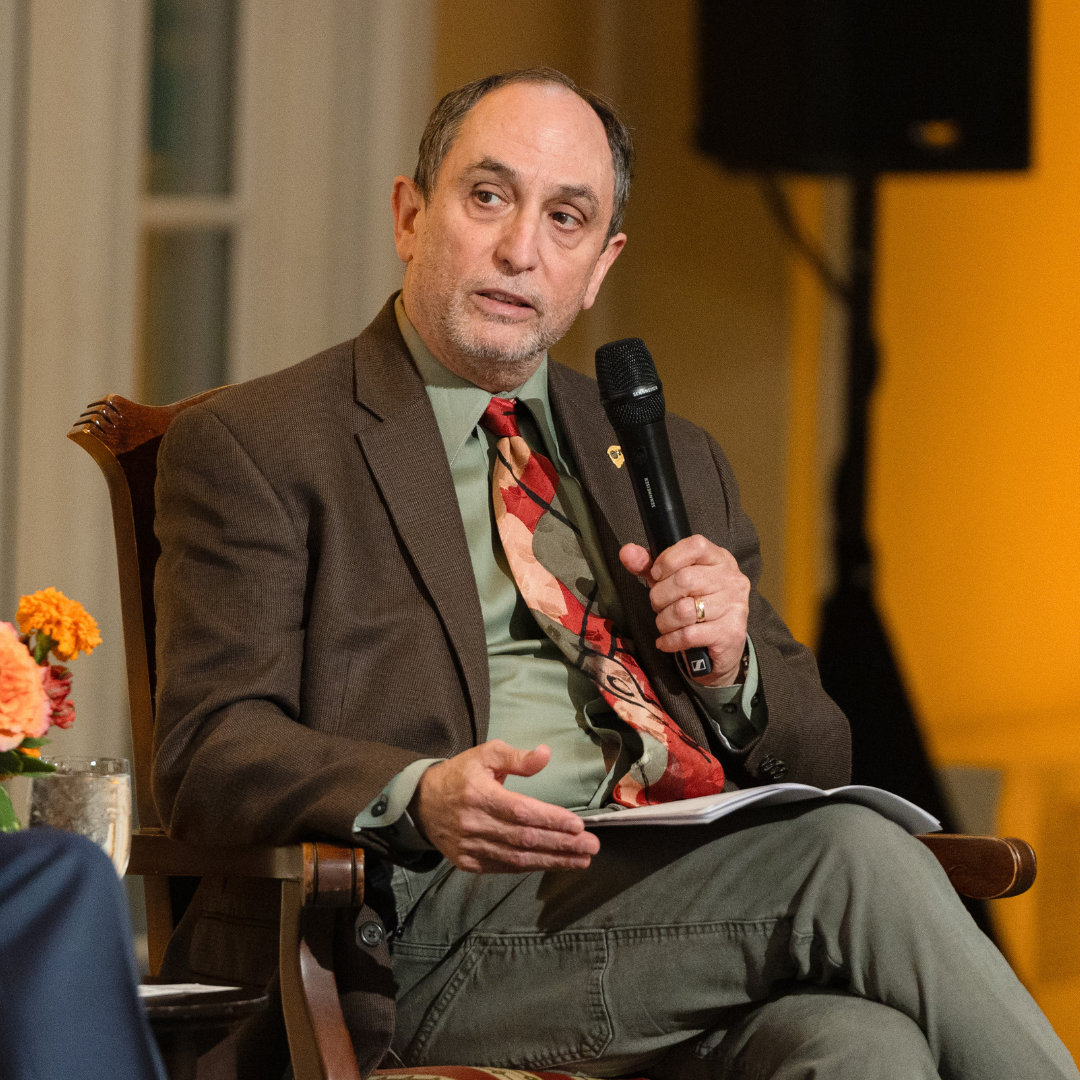
Richard Sterling, M.D., professor of medicine, section chief of hepatology, medical director of viral hepatitis and chief medical officer for the Stravitz-Sanyal Institute
The night began with Dr. Sterling, who explained that liver disease is highly prevalent throughout the world, though for many, it’s a silent disease that often doesn’t present with symptoms until it’s in advanced stages.
For that reason, at VCU, “we usually go looking for liver disease before it comes looking for us,” Dr. Sterling said. One way to do that is the FIB-4 Index, a non-invasive tool he created that uses blood tests to calculate whether scarring has occurred in the liver.
The FIB-4 Index is now used by doctors around the world.
In short, when patients have bloodwork drawn, they can request this additional test, which provides a look at their liver enzymes and blood count. That includes the platelet count. Elevated enzymes can be an indication of liver disease.
These figures, calculated with an individual’s age, can determine the presence of liver damage. The tests can be repeated every time an individual has bloodwork done.
From there, Dr. Sterling said he can conduct another test, this time for liver stiffness.
Again, a non-invasive probe taps against an individual’s right-side rib cage sending vibrations, or sound pulses, toward the liver and then measures those pulses. Faster transmissions could indicate stiffness, and therefore, liver disease.
“You want to catch the disease early before scarring has a chance to become more advanced,” Dr. Sterling said, “because then your therapeutic options increase.”
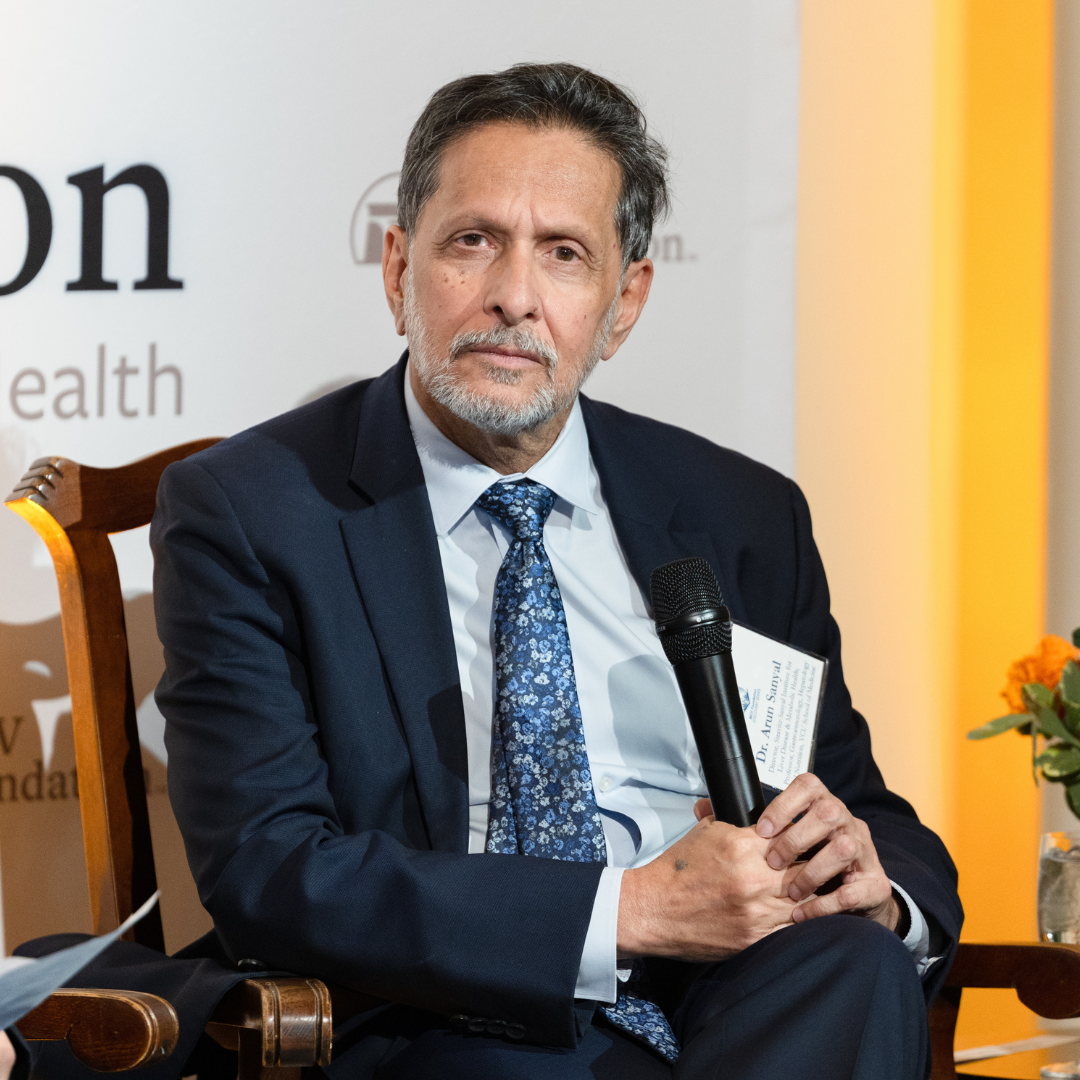
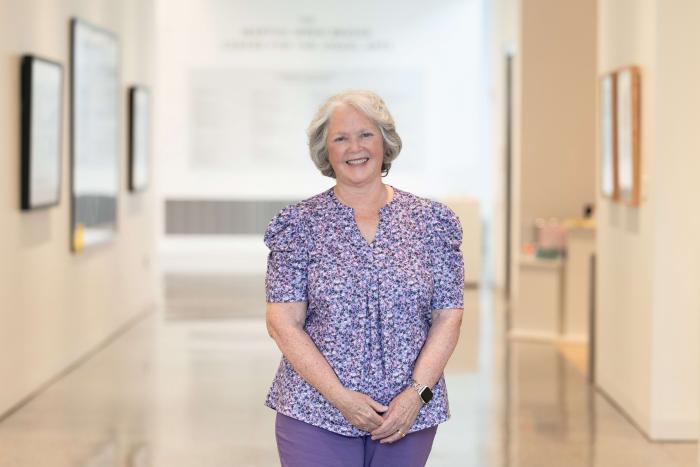
Arun Sanyal, M.D., world renowned biomedical scientist and hepatologist and director of the VCU School of Medicine’s Stravitz-Sanyal Institute for Liver Disease and Metabolic Health
Ranked among the top 0.1% of biomedical scientists and recognized as a foremost hepatologist globally, Dr. Sanyal echoed Dr. Sterling’s sentiments on the prevalence of liver disease, explaining that better outcomes start by eliminating stigmas.
Not everyone who has liver disease is an alcoholic – the primary stigma surrounding liver disease.
“Liver disease can affect all kinds of people for all kinds of reasons, so removing the stigma increases access,” he said.
One cause of liver disease is fat accumulation, something that Dr. Sanyal and his team can treat thanks to groundbreaking studies using therapeutics like Wegovy and Mounjaro, the popular weight loss drugs. In fact, VCU led the way in studying those drugs’ effectiveness on fatty liver disease, efforts that led to Wegovy’s approval status for that reason.
“That whole journey from concept to approval, we led that,” Dr. Sanyal told the audience. “Very recently, we have been able to show that even when you develop cirrhosis, we can reverse it in up to 40% of people.”
“Nobody ever thought you could touch cirrhosis once it developed,” Dr. Sanyal said. “Compared to where we were even five years ago, that is incredible.”
He said VCU is studying at least three more drugs right now that could be bought to the market in the next three years to treat fatty liver disease.
Coupled with the existing Wegovy and Mounjaro, “that means every patient will have at least five shots on goal in treating this disease,” Dr. Sanyal said.
He’s also leading research into how reversing liver disease benefits other diseases, such as hypertension and coronary heart disease.
“We’re continuously pushing boundaries,” he said. “It doesn’t matter where you are in the course of this journey with liver disease, we have something for you.”
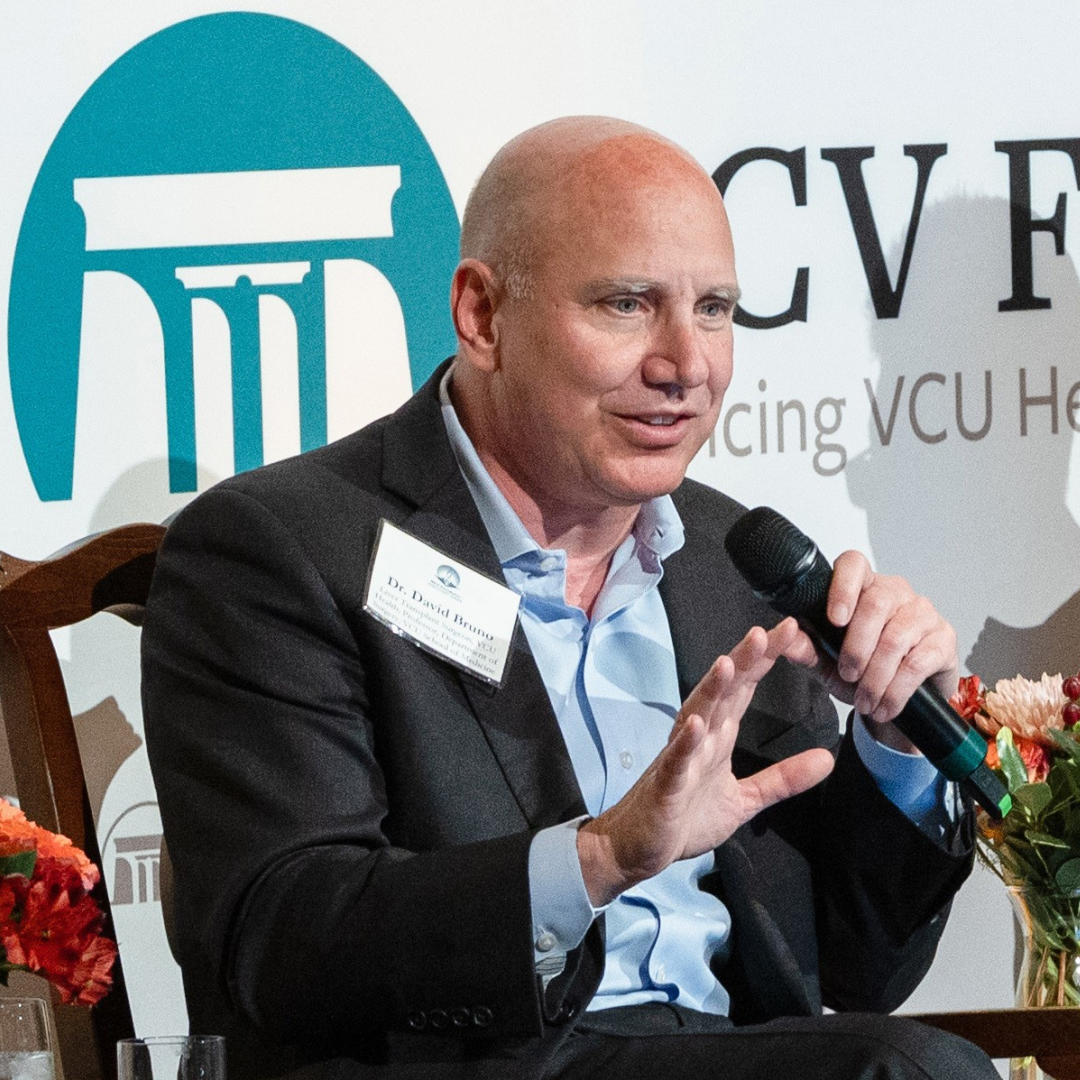
David Bruno, M.D., director of the VCU Health Hume-Lee Transplant Center and Chief of the Division of Transplant Surgery at the VCU School of Medicine
For those whose disease has progressed beyond medication, VCU’s transplant team often provides options for people who’ve been turned down at other health systems.
Leading those teams is Dr. Bruno, who said VCU stands out for its willingness to help those who’ve been told ‘no’ elsewhere. VCU performed 197 liver transplants last year.
“We try to think of how to get to ‘yes’ every time,” he said, and VCU does that through increased opportunities for living donor donations as well as advancements in robotic surgery techniques.
Living donor organs provide the best long- and short-term outcomes for recipients. They reduce five-year mortality rates from 40% to less than 6%, require fewer medications and carry a lower risk of rejection.
Likewise, robotic surgeries, in which robotic arms perform the actions but are manipulated entirely by surgeons, create cleaner, smaller incisions that cut recovery time in half and result in fewer complication risks.
“Living donation is the absolute solution,” Dr. Bruno said, “and robotic donor transplants have radically changed the operation for the patient.”
Not everyone is equipped to handle such procedures, however.
“It requires a really focused team like the one we’ve built here,” he said, including everyone from hepatology and infectious disease specialists to pharmacists. In its ongoing dedication to treating liver disease, in 2025, VCU Health opened a liver transplant floor in VCU’s Main Hospital that brings together a multi-faceted team in one place.
“We have a cast of 1,000 working toward one goal,” Dr. Bruno said. “This is the apex of how humans work together, and you can’t do that with just any liver transplant center.”
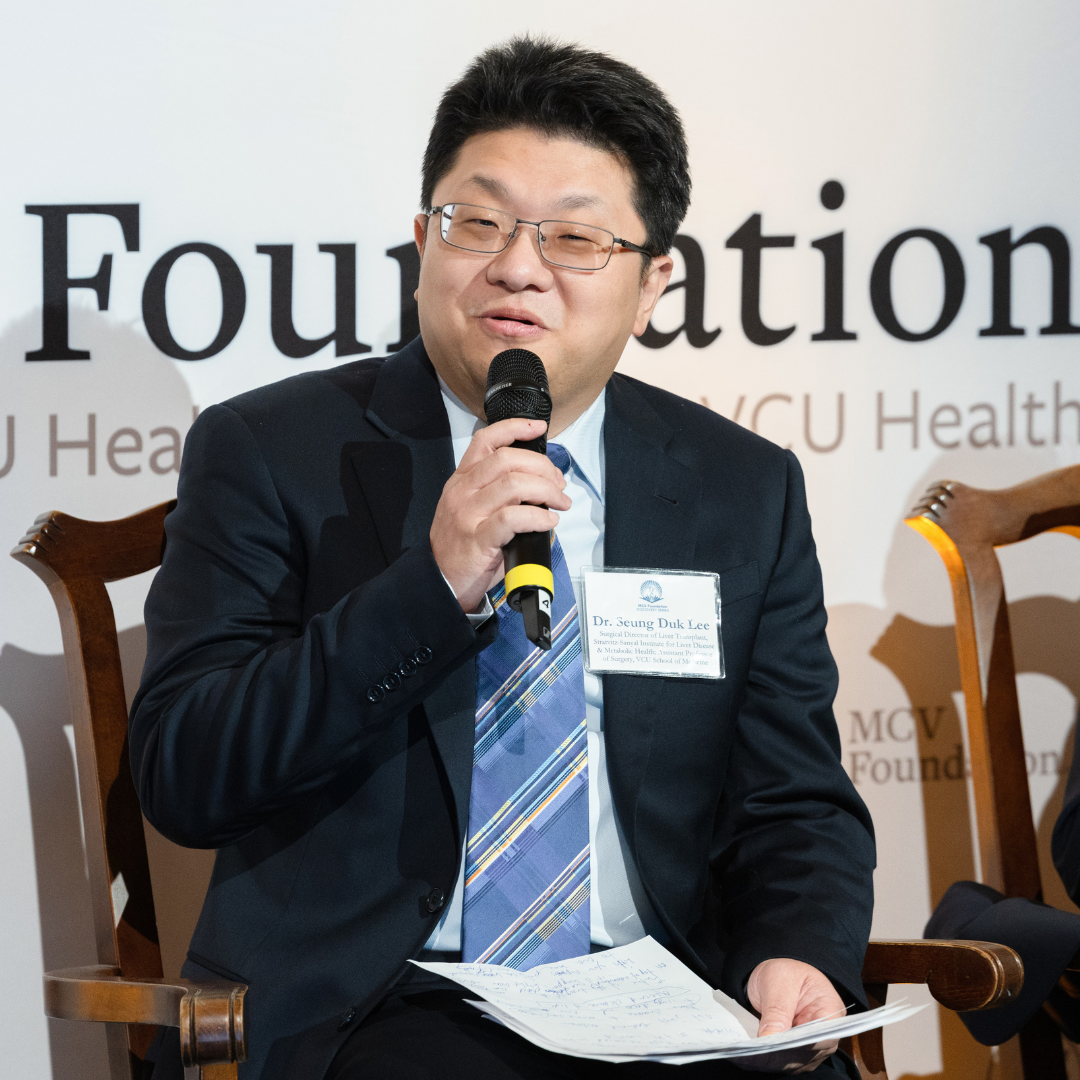
Seung Duk Lee, M.D., Ph.D., surgical director of liver transplantation at Hume-Lee and assistant professor of surgery at the School of Medicine
Echoing Dr. Bruno, Dr. Lee explained how the nature of robotic surgeries continues to create better outcomes for patients.
Today’s surgeries, he said, produce incisions less than a centimeter wide – that means less pain and faster recovery times, as well as smaller risks of wound infections.
The liver is the only organ in the body that regenerates when part of it is removed, and it does so quickly, typically within a month’s time.
Dr. Lee said donors typically only remain in the hospital for five days, then return to work and normal life within a month.
“Robotic surgeries are the future of transplant,” he said, noting that where the robots he works with typically have four robotic arms, there are new robots that only use one arm to remove the liver from donors.
“VCU’s leadership has invested a lot of money in robotic surgery and that allows for this kind of innovation at VCU,” he said.