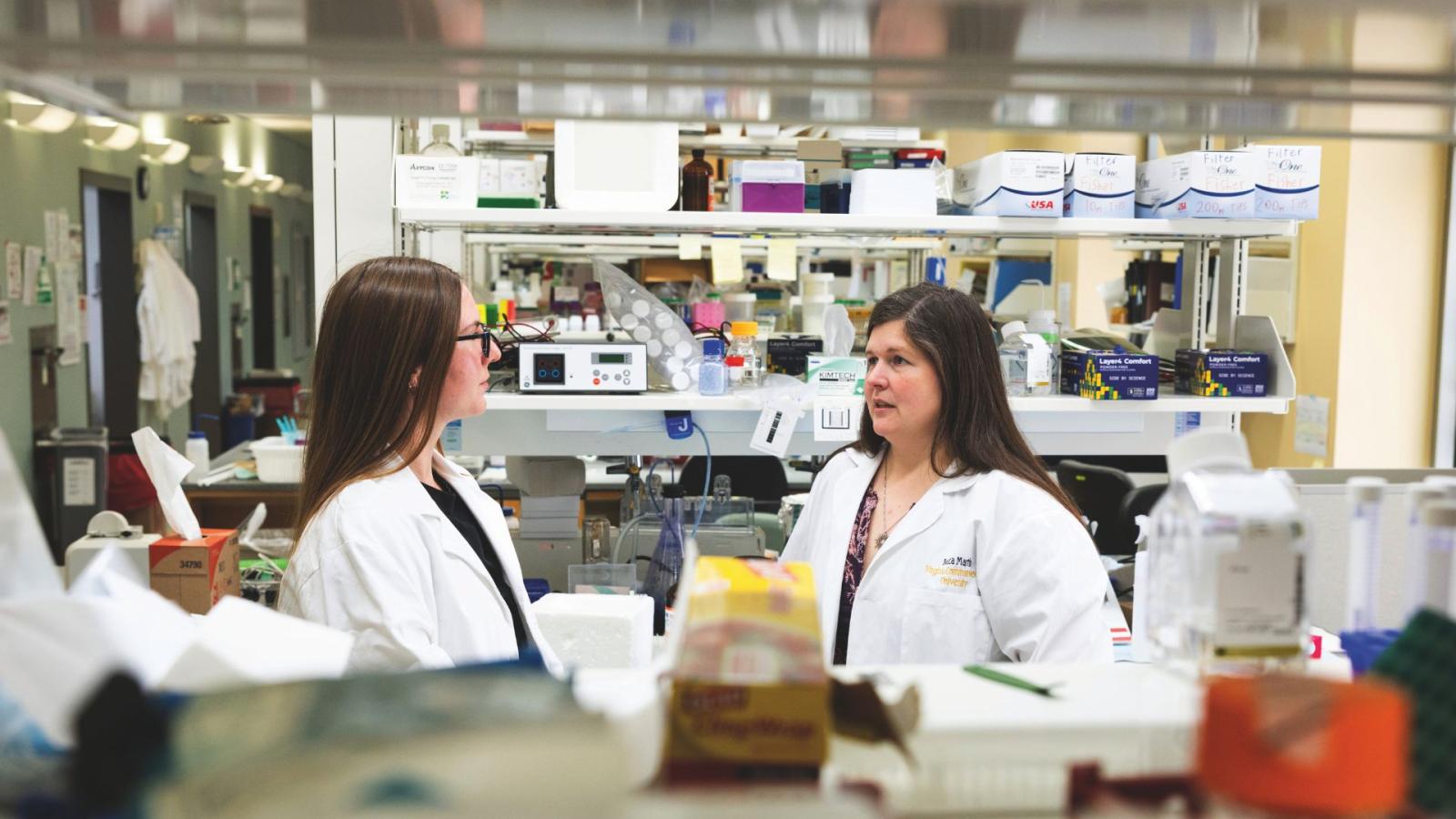
Becca Martin, Ph.D. (right), discusses the work of her lab with Madison Isbell, M.S., a graduate student and shared resource manager. Dr. Martin is an associate professor in the Department of Microbiology and Immunology, and her lab is exploring potential solutions to help patients with allergies find quicker and longer-lasting relief.
Research Q&A: Unpacking Allergy Enigmas
Interview by Paul Brockwell Jr. | Photos by Daniel Sangjib Min
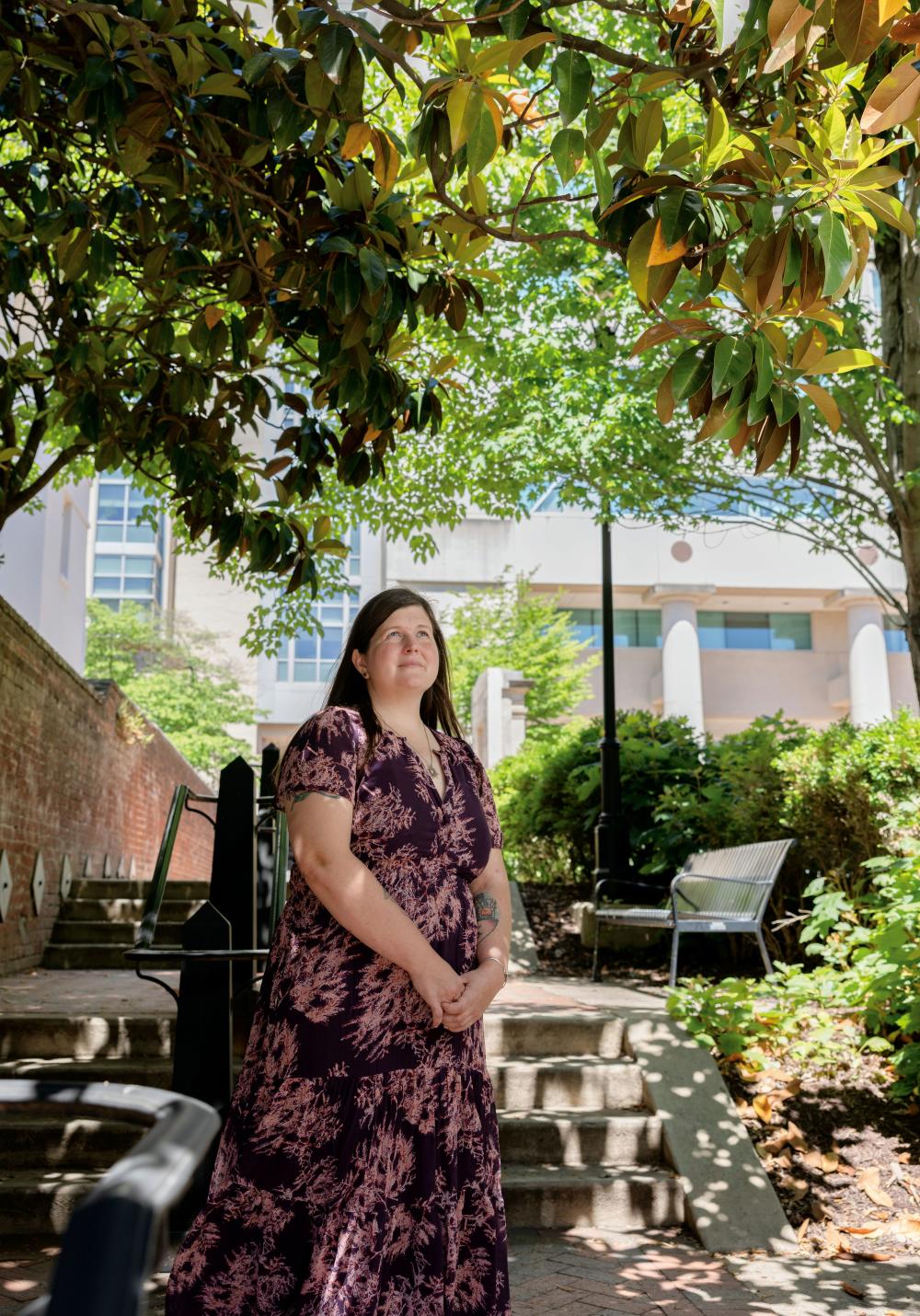
VCU School of Medicine researcher Becca Martin, Ph.D., studies why our immune systems declare war on harmless things. An associate professor in the Department of Microbiology and Immunology, she is using her findings to pursue novel treatments that could help put an end to misery for many Richmonders who call the city, one of the country’s top allergy capitals, home.
Allergy rates have been climbing for years – around a third of Americans have some sort of allergic condition. Why is that happening?
A big driver is pollution. We used to see higher allergy rates in the U.S. and fewer in less industrialized countries. But as industrialization has spread, so has pollution and rising allergy rates. That connection is especially strong when it comes to aeroallergens, which are anything you inhale, like pollen, that causes a reaction like allergic rhinitis or asthma. All of that mucus in your nose and airways is aeroallergens at work.
Most people think of allergies as a nuisance. What would you want the average person to understand about how serious allergic disease can be?
Allergic disease can be fatal. People with food allergies or allergies to insect stings or medications can have an anaphylactic response when they encounter their allergen that can be potentially life-threatening. Asthma still causes around 4,000 deaths a year. Allergic asthma kills in a slower, more insidious way. Every asthmatic episode causes changes to the lungs over time. If it goes uncontrolled, patients can develop mucus blockages in their airways. It is a very serious disease.
Can you walk us through what happens in the body when someone becomes allergic to something?
Scientifically, the process is called sensitization. Your immune cells encounter something like pollen or pet dander or certain foods and decide this harmless thing is actually a threat. Your body mounts an immune response and produces a specific antibody class called immunoglobulin-E, or IgE, that’s tailored to that allergen. Once you have that allergen-specific IgE, you’re armed. Every future exposure triggers immune cells to rapidly respond and sound the alarm. That’s why allergies are described as demonstrating immediate hypersensitivity – the reaction happens so fast. Since the pandemic, most of us have a better understanding of antibodies generally. IgE is just an antibody with a slightly different structure that causes it to behave differently in the body.
Is there a persistent myth about allergies you’d love to put to rest?
Avoidance of a potential food allergen in infancy does not prevent allergies. I still have students in my class who don’t fully grasp this. Introducing foods to babies containing potential allergens actually significantly reduces the risk of developing an allergy to them.
You’re at VCU in Richmond, a city that regularly makes the list of worst allergy and asthma capitals in the country. Does that hit close to home for you personally?
It’s a great place to have a job in allergy research! I have seasonal allergies and cat allergies myself. Richmond’s ranking comes down to a few factors: terrible pollen, environmental pollution and access to care. I’ve actually watched us drop off and come back onto those top cities lists primarily based on improvements in whether people are getting the care they need.
What’s your worst allergy?
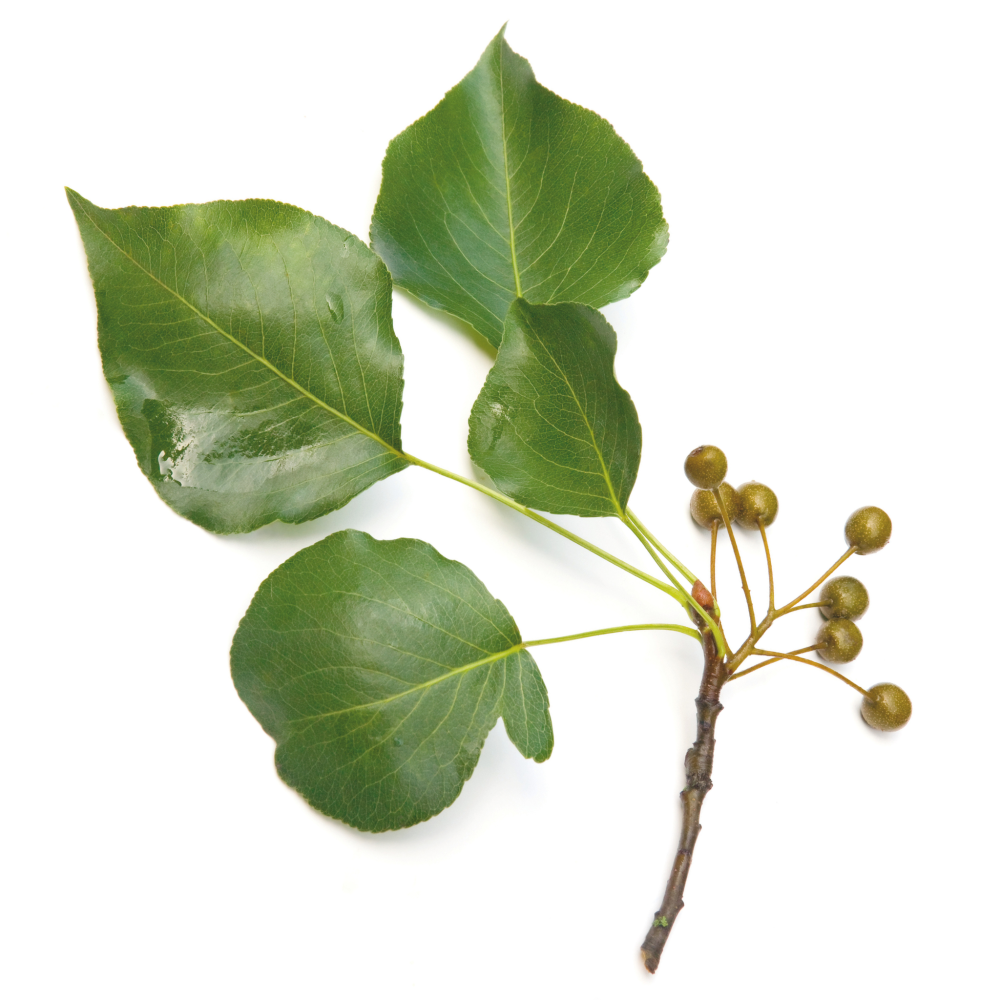
If I could cut down every Bradford pear tree in this city, I would. They are absolutely miserable.
How has our understanding of sensitization changed the way doctors advise parents about feeding their kids potentially allergenic foods?
It’s been a dramatic shift. For one example, the original recommendation was to avoid feeding infants peanut butter for the first two years of life. What we eventually realized is that approach was actually causing more food allergies. Now the recommendation is early exposure because eating something is actually anti-allergic. The route matters a lot here. Exposure through the skin, especially if a child has eczema or a rash, can cause sensitization. But eating it helps train your body not to react. There are now products on the market specifically designed to expose young children to the top 10 allergens early, and they can help dramatically reduce allergic disease. I do want to clarify, if someone is showing signs of an allergy, exposure to that allergen should be avoided, and they should see a physician for a diagnosis.
Your lab focuses on the mechanisms behind sensitization. What are you trying to build toward?
We’re looking at the pathways involved in sensitization and trying to find novel drug targets within those mechanisms that might give us ways to desensitize people faster and more durably. Think about allergy shots: That treatment is continuous allergen exposure until your body induces an anti-allergic response. We’d like to work toward developing medicine that makes that immunotherapy faster and the results more lasting. Our lab has identified two targets that have shown real promise in both asthma and atopic dermatitis, and we’re pursuing drugs for those targets now.
You’ve done work connecting parasitic infections and allergies, which sounds surprising. What’s the link?
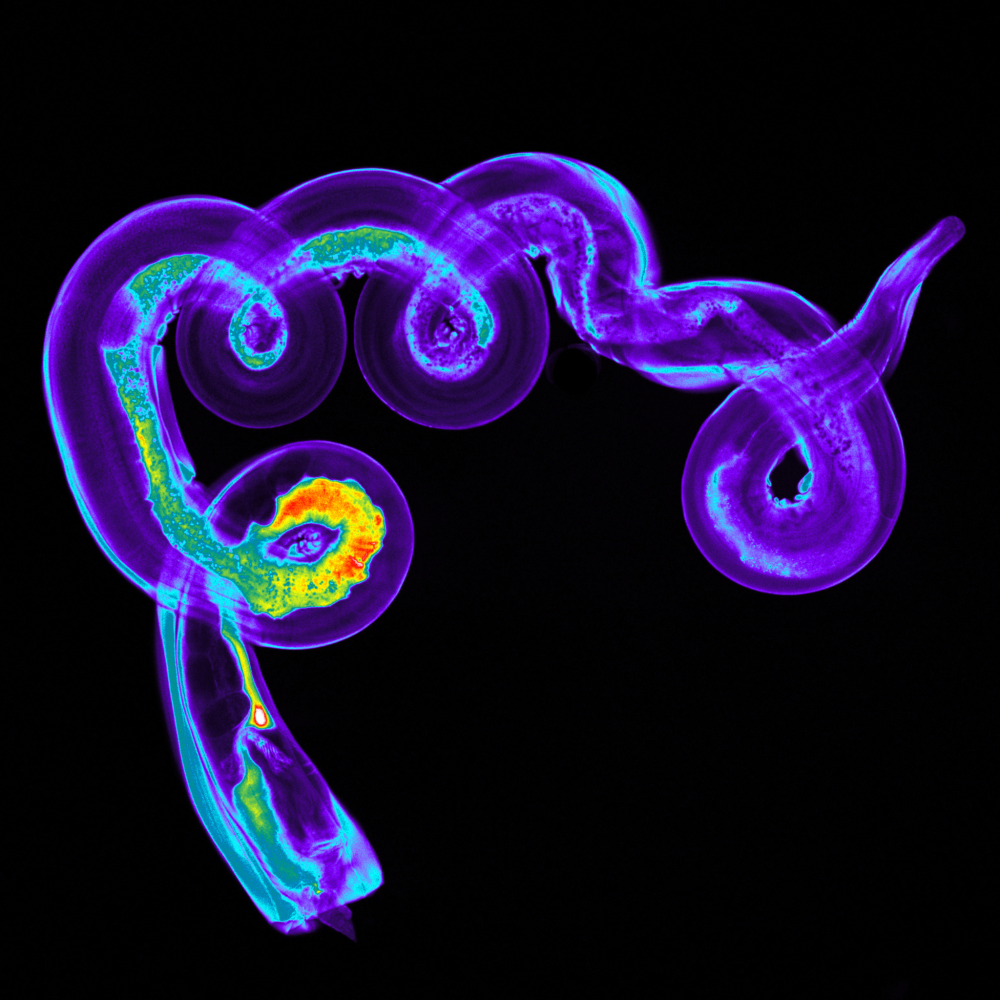
There’s a body of epidemiological research showing that in areas where helminth infections are endemic – these are gut parasites found in poorly sanitized water or soil – allergy rates are remarkably low, even though helminths induce many of the same immune mechanisms as allergens. The two seem to inhibit each other. There’s also a fascinating study showing that the top 300 allergens share a high degree of molecular similarity with proteins found in various parasites. The theory is that our immune system evolved to fight off parasites – all those responses we associate with allergies, the mucus, the gut cramps, the IgE antibody – they were actually designed to expel worms. But parasites also evolved to suppress that response, inducing tolerance so they could survive in the host. Now that we don’t have helminths, we still carry that immune machinery, and it may be misfiring at pollen or peanuts that happen to molecularly resemble parasite proteins.
What’s the biggest unanswered question in allergy research – the thing that keeps you up at night?
Why does one person become allergic and another doesn’t? It’s not purely genetic – there are components that increase predisposition, but it’s not deterministic. It seems to be more environmental, possibly epigenetic. We know early life exposures matter enormously: Children exposed to farm animals or pet dander before age 3 have significantly lower allergy rates, but that window closes. We know where you live and what pollution you’re exposed to matters. But the precise mechanism of why one immune system misfires and another doesn’t – that’s the central mystery.
You took an unconventional path to get here. You dropped out of college, returned and did your undergrad, Ph.D. and postdoc all at VCU. Then you became one of six people in the country who received one of the NIH’s most competitive early-career grants. What does that arc mean to you?
Getting that NIH award was a real validation that the path I chose, for the reasons I chose it, was the right one. You don’t always have to follow the traditional route to make an impact in science. That’s the message I try to carry into the mentorship work I do now, training the next generation of researchers.