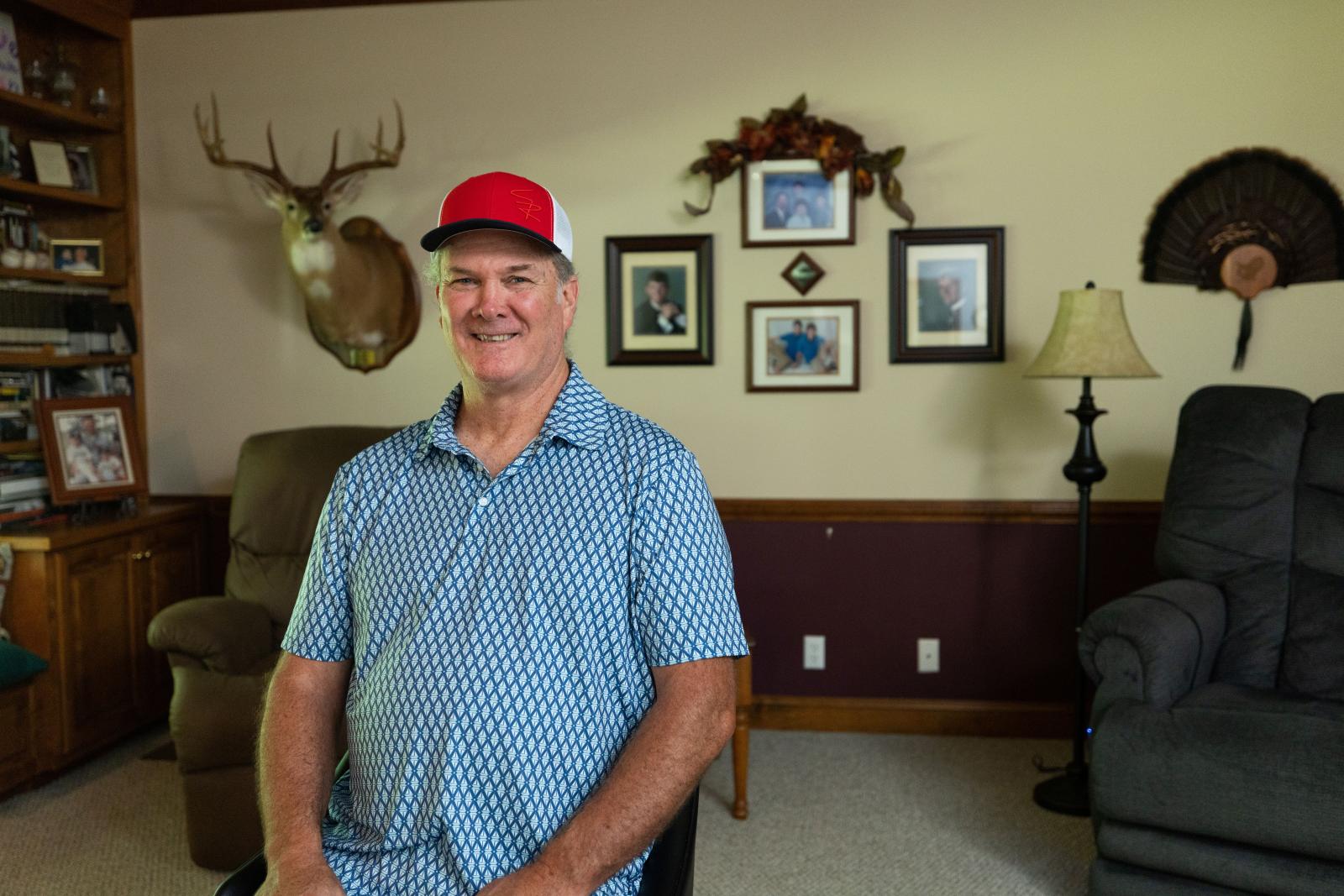
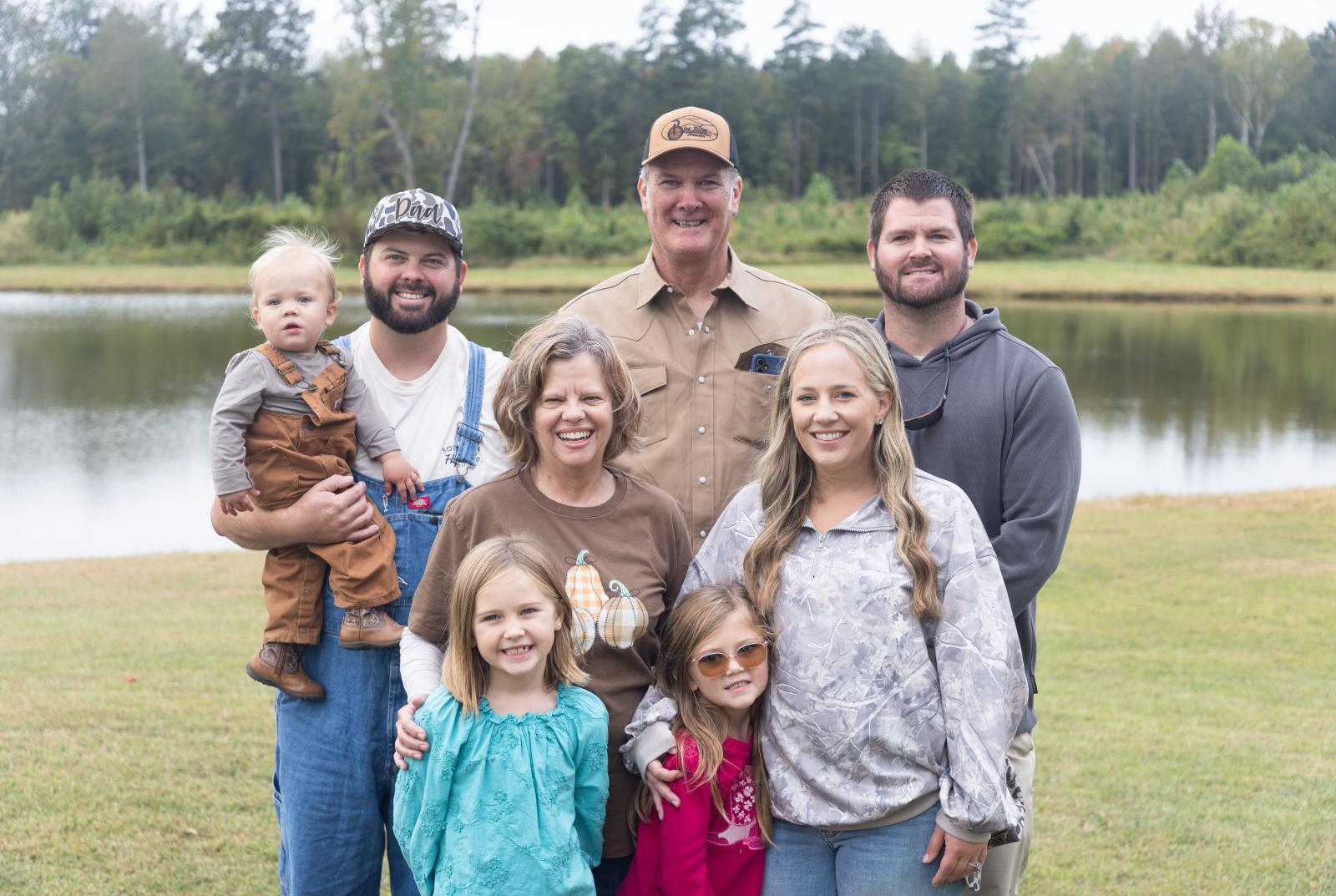
He didn't fit anyone's picture of a seriously ill patient. Decades removed from baseball, he was back where he’d grown up in Church Road, Va., staying busy with family and friends. He had built a career in construction with his father, uncles and father-in-law and still took on the occasional homebuilding project in retirement.
It started with a standard primary care appointment and routine blood work. His family physician reviewed his labs and noted elevated liver enzymes.
But Christopher felt fine. No pain or fatigue, nothing that hinted at trouble.
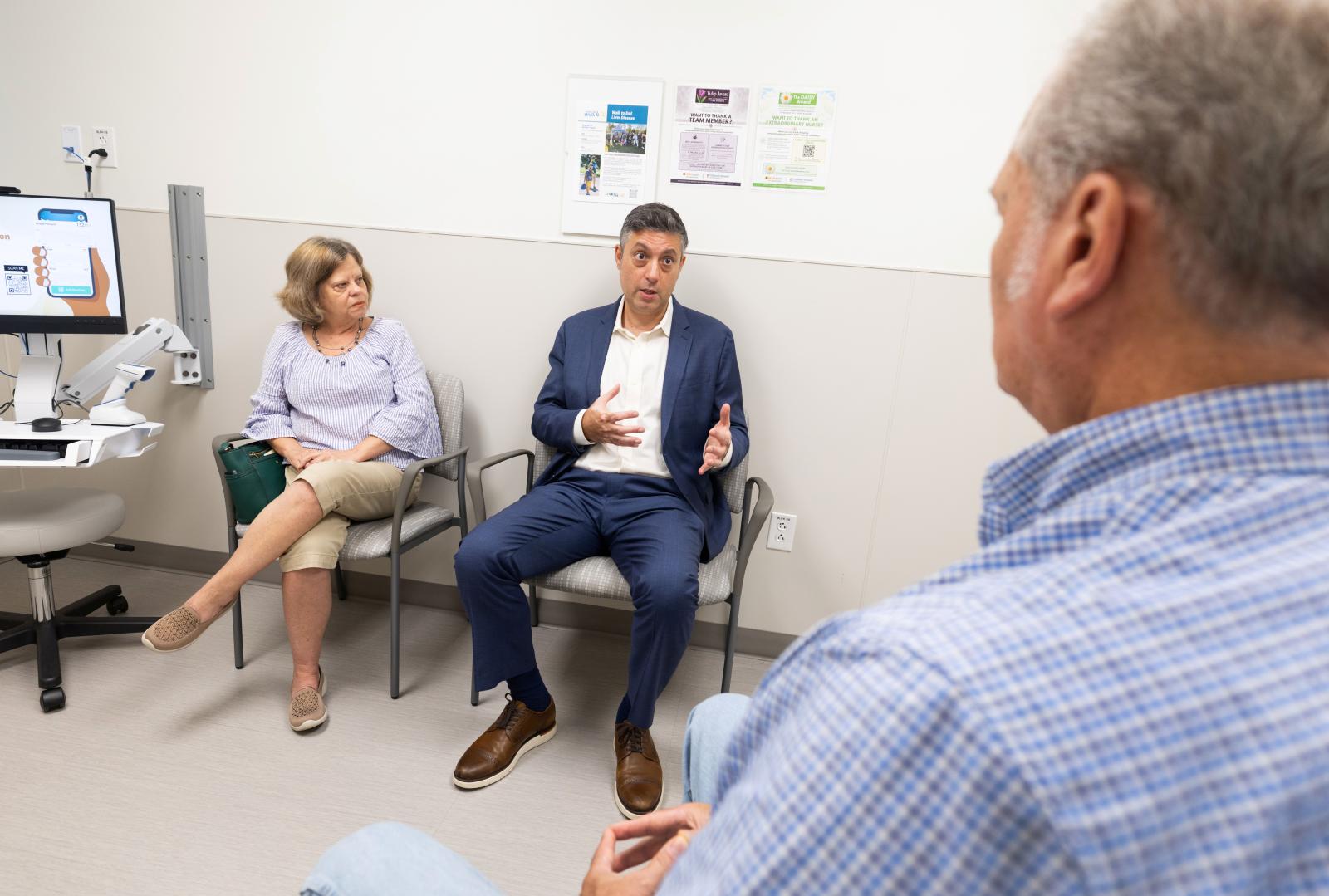
Still, his doctor encouraged him to see a specialist to rule out anything serious and recommended a visit to the VCU Stravitz-Sanyal Institute for Liver Disease and Metabolic Health. Just a 45-minute drive from his home, the institute could offer a closer look at what was behind the abnormal results.
“Normally I would have said, no. But for some reason that day, I just said, ‘Yeah, I'll be glad to go,’” Christopher said.
There was little reason for him to think anything was wrong. The appointment felt more precautionary than urgent.
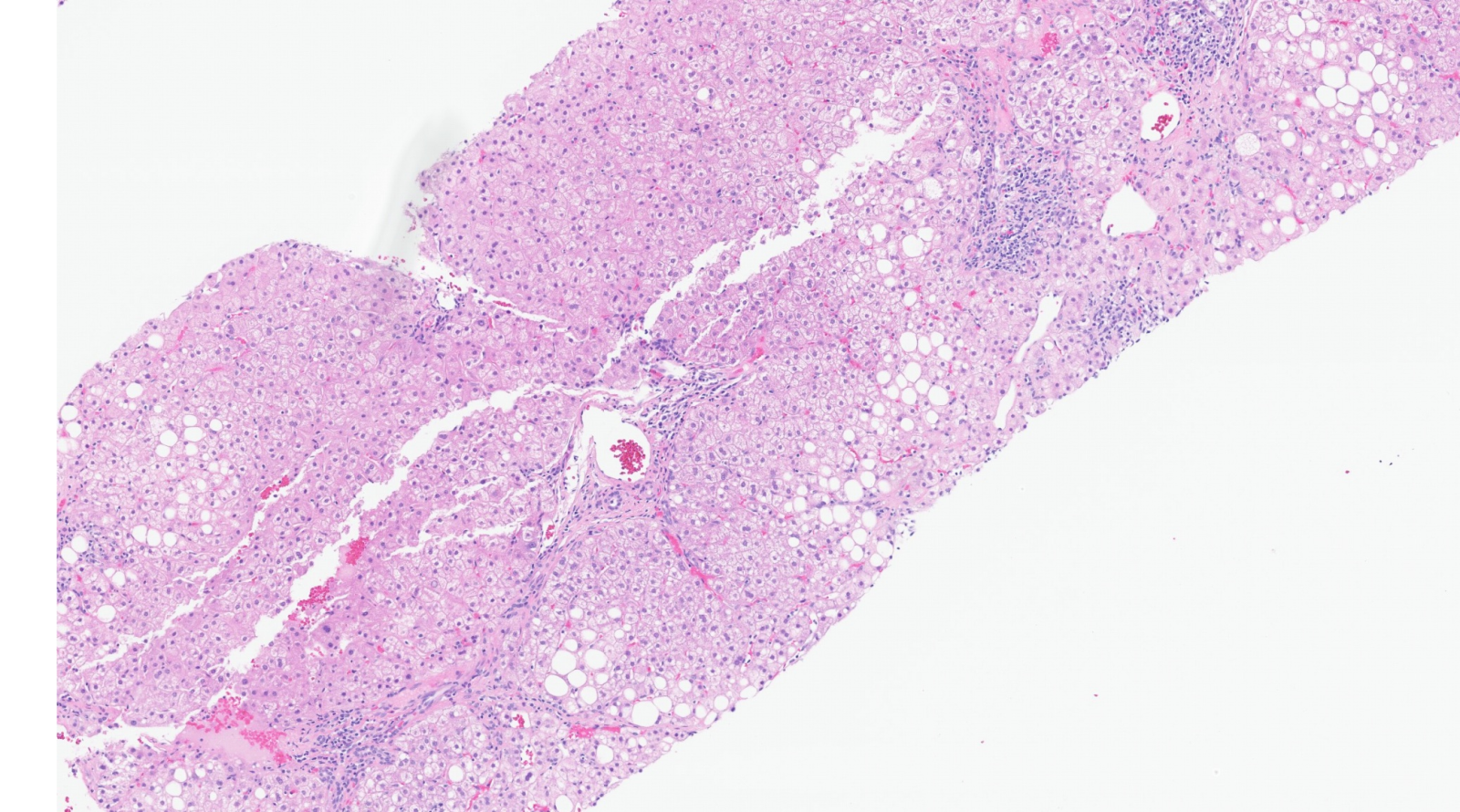
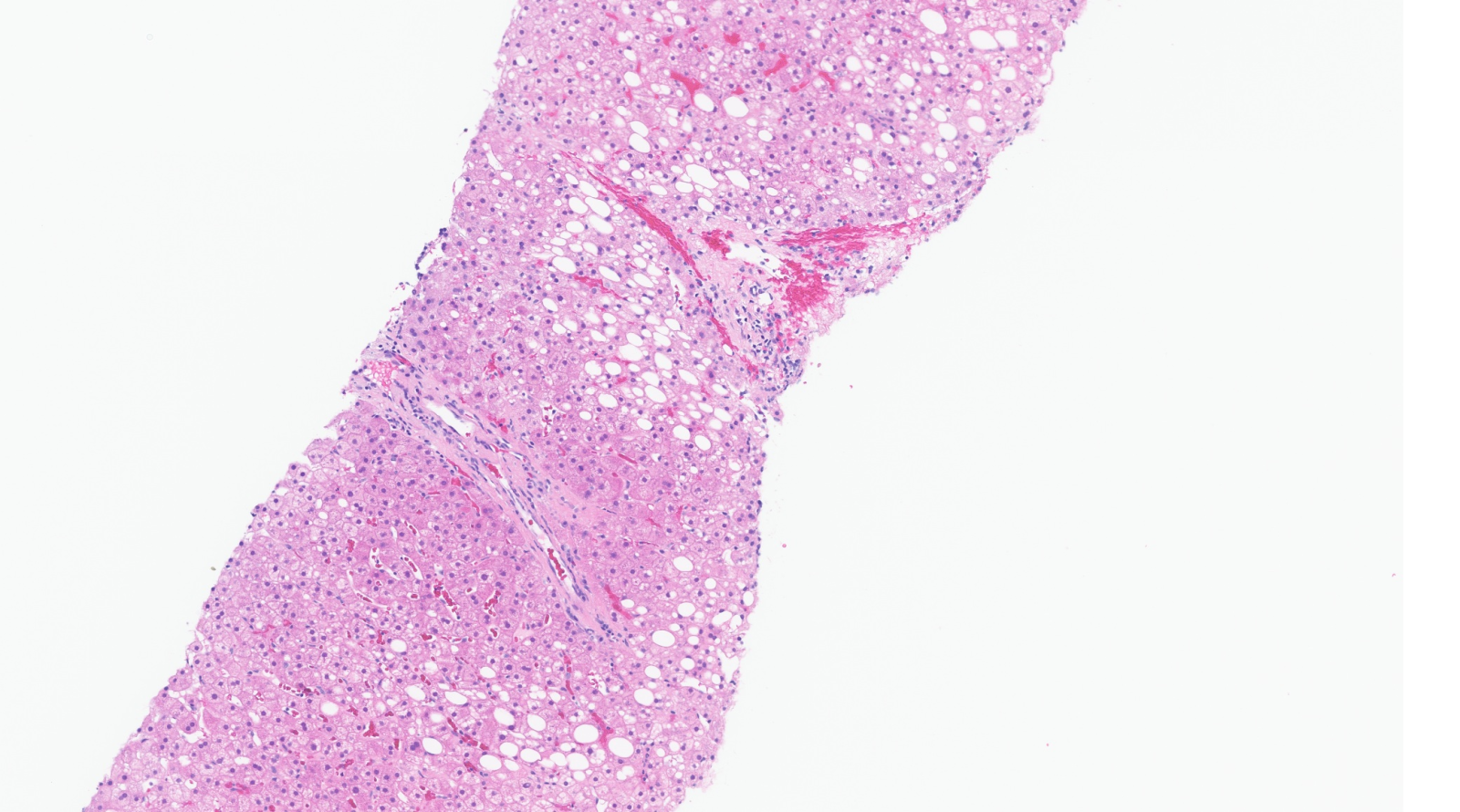
At VCU Health, he underwent routine entry scans, standard tools to understand and measure his liver health. The results confirmed the concern his primary care physician had raised. The scarring in his liver was significant. Christopher was diagnosed with metabolic dysfunction-associated steatotic liver disease (MASLD). The disease was advanced scarring in his liver, well past the point where monitoring can help and firmly into the stage of managing serious risk.
If it progressed, a liver transplant would be in his future.
He and his wife, Pam, sat with the news, stunned by what they heard. At that time, there was no FDA-approved treatment for his condition.
“I was willing to do anything,” Christopher said. “There's really only two choices when you get cirrhosis, and that's either a transplant or you pass away. I didn't want to take that chance – I had to do something.”
The diagnosis reframed how he thought about the years ahead. Retirement was no longer about what he wanted to do next, it was about preserving the time to do it.